
Eco Materials
Packaging must consistently incorporate the concept of ecological environmental protection into its design and production.
Eco Materials: The Science of Sustainable Packaging
At Chic Package, we believe that exceptional packaging begins with responsible material selection. Our commitment to sustainability is rooted in a scientific approach to Eco Materials, ensuring that every solution we provide is not only beautiful and functional but also kinder to our planet. Our process is built on three core scientific principles: Renewable Sourcing, Circular Design, and Clean End-of-Life.
1.Sourcing from Regenerative & Renewable Feedstock
We begin at the source, prioritizing materials that are rapidly replenished and have a lower carbon footprint than conventional alternatives.
Plant-Based & Bio-Mass Polymers:
We are pioneers in using plastics derived from sugarcane (Bio-PE), corn (PLA), and other biomass. Unlike traditional petroleum-based plastics, these materials are carbon-neutral at their growth stage, as the plants absorb CO₂ from the atmosphere.
Responsibly Sourced Fibers:
Our paper and cardboard packaging exclusively uses wood pulp from FSC® (Forest Stewardship Council) or PEFC™ (Programme for the Endorsement of Forest Certification) certified forests. This guarantees that the raw materials come from sustainably managed forests that protect biodiversity and support local communities.
Rapidly Renewable Alternatives:
We innovate with materials like bamboo, mushroom mycelium, seaweed, and palm leaf for specialized packaging. These materials grow incredibly quickly, require minimal water and no pesticides, and offer unique, natural aesthetic qualities.
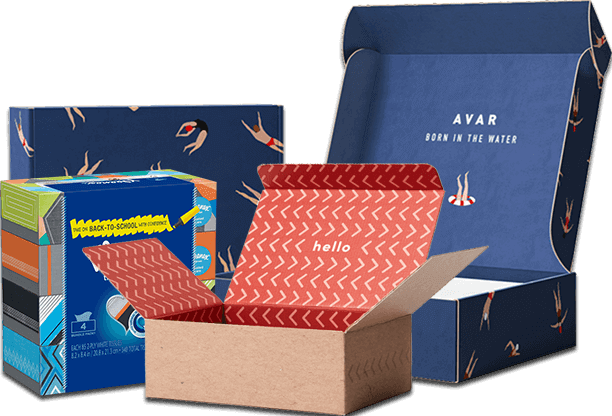
2.Engineering for Circularity & Performance
Selecting the right material is only the first step. We engineer our packaging for durability, recyclability, and minimal environmental impact throughout its lifecycle.
Design for Recyclability (DfR):
We meticulously design our packaging to be mono-material or easily separable, avoiding complex material laminates that contaminate recycling streams. Our technical team ensures compatibility with local recycling infrastructures in your target markets.
Integrating Post-Consumer Recycled (PCR) Content:
We actively close the recycling loop by incorporating Post-Consumer Recycled (PCR) materials, such as rPET and rPP, into our products. This reduces reliance on virgin materials, diverts waste from landfills, and significantly lowers the carbon footprint of our packaging.
Lightweighting & Material Optimization:
Through advanced structural design and material science, we create packaging that uses the minimum amount of material necessary without compromising protection. This “lightweighting” directly reduces resource consumption and transportation emissions.
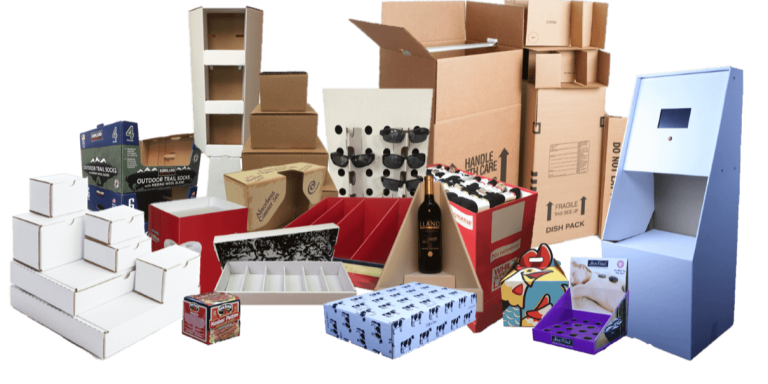
3.Championing Innovative, Bio-benign Materials
We are at the forefront of adopting and developing next-generation materials that offer a clean end-of-life, going beyond traditional recycling.
Compostable & Biodegradable Solutions:
For applications where recycling is not feasible, we offer certified compostable materials (according to standards like EN13432 or ASTM D6400). These materials break down into non-toxic organic matter (water, CO₂, and biomass) in industrial composting facilities, returning nutrients to the soil.
Water-Based & VOC-Free Inks & Coatings:
Our commitment extends to the surfaces. We use advanced water-based inks and coatings, eliminating the need for harmful Volatile Organic Compounds (VOCs). This ensures that our beautiful prints are safe for consumers and the environment.
Active Material Science R&D:
We partner with leading material science laboratories to test and integrate groundbreaking solutions like polymer additives that enhance biodegradability in specific environments and barrier coatings derived from natural sources like chitosan.
Our Promise: Data-Driven Sustainability
We don’t just make claims; we provide the data. For every project, we can offer insights into the lifecycle assessment (LCA) of the materials used, demonstrating their tangible benefits in terms of reduced carbon emissions, water usage, and fossil fuel consumption.Partner with us to transform your packaging with materials that are scientifically proven to protect your products and our planet.