
Material Innovation
Innovation is the life of packaging designers.
Material Innovation: The Core Engine of Chic Package’s Design Excellence
At Chic Package, every material choice is a balance of performance, sustainability, and brand alignment. Our material innovation team works closely with clients across food, pharmaceuticals, cosmetics, and electronics to deliver solutions that don’t just meet industry standards—but set new ones. As the packaging landscape evolves, we remain at the forefront, turning material science advancements into tangible value for brands and the planet.
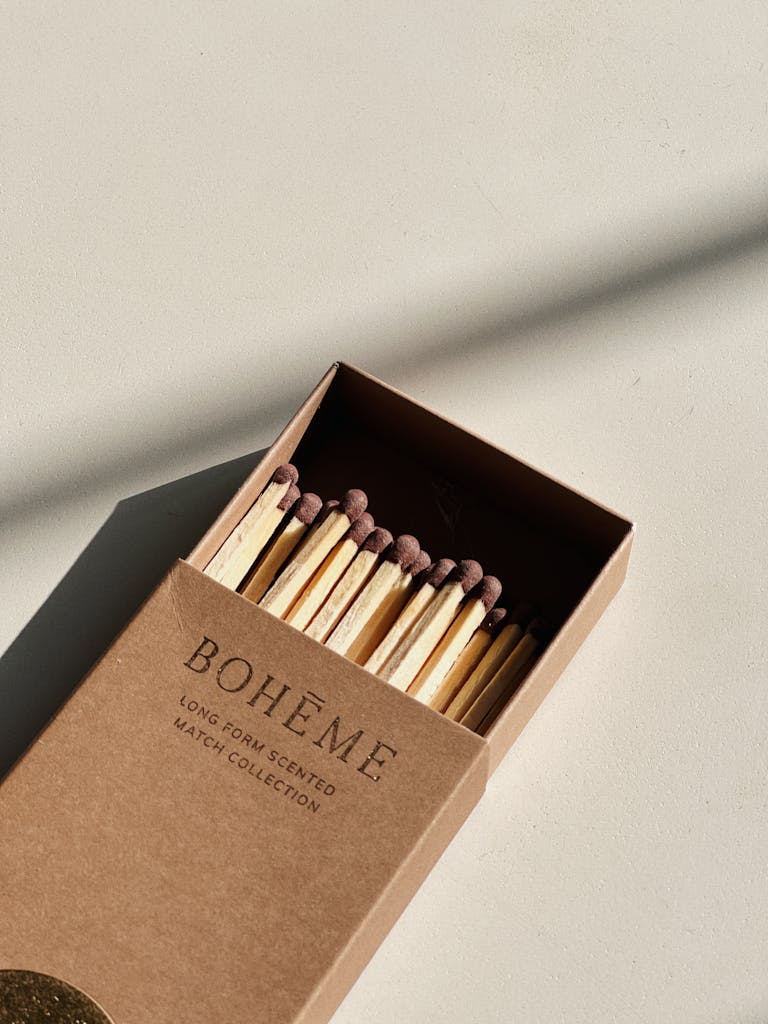
Sustainability-First Material Ecosystem
We prioritize circularity by advancing bio-based and degradable materials that outperform traditional plastics while minimizing environmental impact. Our core sustainable offerings include:
1.High-performance PLA Composites
Modified polylactic acid (PLA) blends reinforced with natural fibers, engineered to match the mechanical strength and heat resistance of conventional plastics. These composites are fully compostable under industrial conditions and have been adopted by food brands to extend shelf life without compromising sustainability.
2.PHA-Based Flexible Films
Polyhydroxyalkanoates (PHA) derived from microbial fermentation of renewable feedstocks (such as sugarcane and agricultural waste). Ideal for delicate products like fresh produce, these films degrade naturally in marine and soil environments, addressing the limitations of traditional biodegradable plastics.
3.Recycled & Upcycled Hybrids
Advanced formulations combining post-consumer recycled (PCR) plastics with bio-based additives to improve processability and performance. Our PCR-PET blends for beverage packaging meet EU food contact safety standards while achieving up to 70% recycled content.
Active & Intelligent Functional Materials
Recognizing packaging’s role beyond passive protection, we pioneer active and smart material integration to enhance product integrity and transparency:
1.Precision Active Systems
Customizable oxygen absorbers and ethylene scavengers embedded in packaging structures. Our iron-free oxygen absorbers reduce residual oxygen levels to below 0.1% (exceeding ISO 18184 standards), extending the shelf life of dairy and baked goods by 30–60 days. For produce, enzyme-based ethylene scavengers extend strawberry and leafy green freshness to 21+ days, supporting e-commerce cold chain logistics.
2.Responsive Antimicrobial Coatings
Plant-derived compounds (including tea polyphenols) and food-safe quaternary ammonium salts integrated into films. Tested on ready-to-eat meals and fresh poultry, these coatings reduce microbial load by 99.7% (per GB 4789.2) and cut preservative usage by 60%.
3.Smart Sensing Integrations
Humidity-regulating membranes with built-in indicators that maintain 40–60% optimal humidity for products like coffee beans and electronics. We also incorporate light-responsive materials for pharmaceutical packaging—photochromic layers that change color upon tampering, aligning with USP 1075 standards for product security.
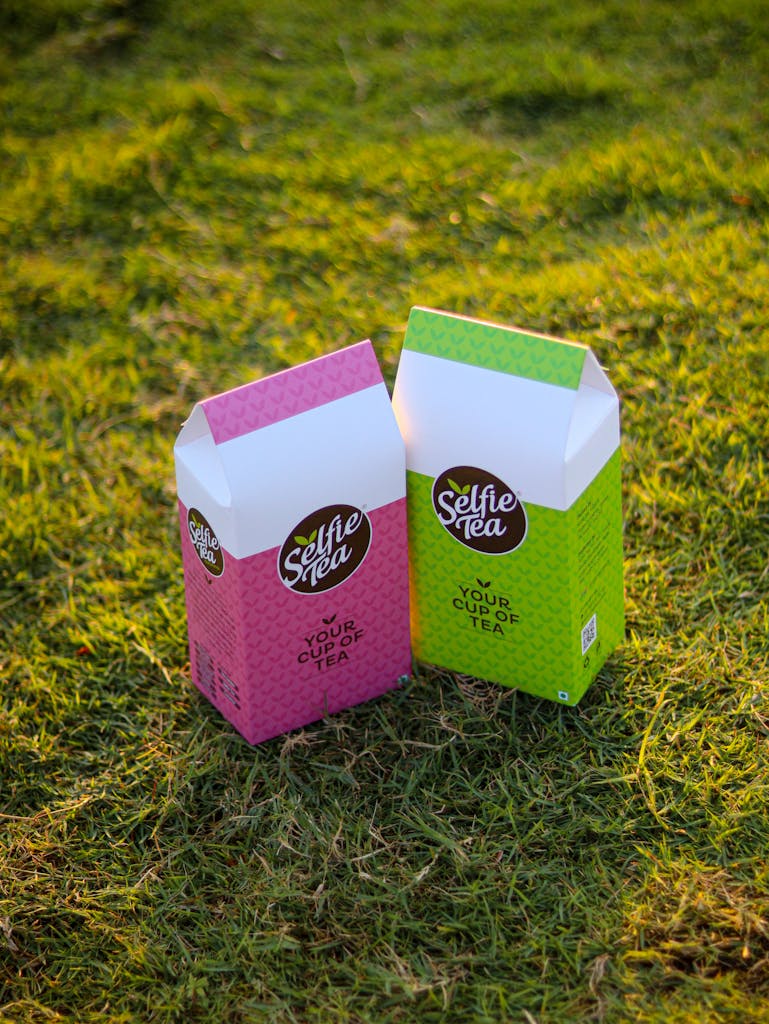
Advanced Material Technologies & Partnerships
Innovation at Chic Package thrives on collaboration and technological exploration. We partner with material science labs to leverage breakthroughs like:
1.Metal-Organic Frameworks (MOFs)
Porous MOF materials integrated into gas-barrier films for pharmaceuticals, enabling precise control of moisture and gas permeability to protect sensitive vaccines and enzymes.
2.Nanocellulose Reinforcements
Adding nanocellulose to paper and film substrates to boost tensile strength by 40% without increasing weight, ideal for luxury cosmetic and apparel packaging.
3.Circularity Testing Protocols
In-house testing facilities that validate biodegradation rates (achieving 90%+ degradation for all bio-based materials per EU 2023 green packaging directives) and optimize recyclability for composite structures.