Corrugated Paper
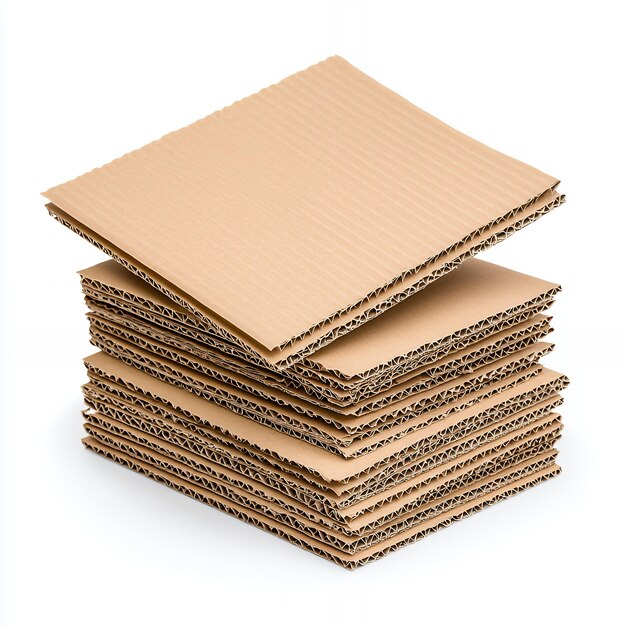
Corrugated Paper Composition
Corrugated paper is an important paper material for making cartons and paper boxes. A corrugated board generally consists of liner paper, back paper, corrugating medium and separator paper.
The liner paper is the outermost paper layer pasted on corrugated board. White card, kraft paper, coated art paper, grey back white board and other types can be used for the liner paper. 300g grey back white board is the preferred material recommendation for the liner paper.
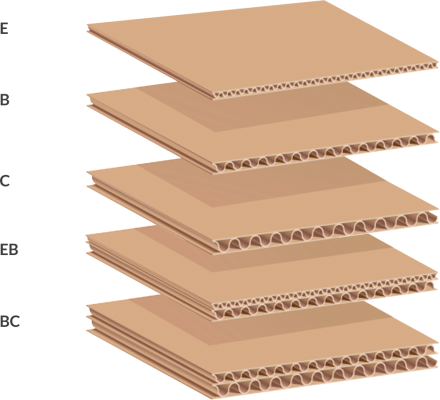
Corrugating medium, also known as fluting paper, is paper with an uneven corrugated profile in the middle. For printing small packaging boxes, single-wall corrugated board commonly uses 120g B-flute, 120g E-flute and 120g F-flute; double-wall corrugated board includes AB-flute, BC-flute and BE-flute.
The inner liner refers to the innermost laminated paper. 140g kraft paper is used for the inner liner by default, and 140g yellow kraft paper is the preferred recommendation.
| Corrugation Classification | E-flute | B-flute | F-flute | AB-flute | BE-flute | BC-flute |
| Number of Layers | Three layers | Three layers | Three layers | Five layers | Five layers | Five layers |
| Thickness | 1.5-2mm | 2.5-3mm | 1-1.2mm | 6.5-8mm | 4-5mm | 6-7mm |
| Grammage of Corrugated Paper | E-flute 120g | B-flute 120g | F-flute 120g | AB-flute 120/90/120g | BE-flute 120/90/120g | BC-flute 120/90/120g |
| Function | Suitable for high-quality printing, featuring a thin structure that saves transportation and storage space | Suitable for manufacturing product packaging that has rigidity and does not require shock absorption and protection functions | An ultra-thin corrugation | Five-layer corrugated board consumes more paper and features high strength. It can withstand forces from all directions exerted by heavy objects. It is generally used to make cartons for heavy and bulky products such as colour TVs and refrigerators, and is mainly applied for transport packaging | ||
| Product Packaging Suitable for Printing | Food packaging, small item packaging | Canned goods, small packaged food, small hardware | Hamburgers, cream-filled pastries, digital cameras, portable audio systems, refrigerated packaging | Books, fruits, electronic products, home appliances, etc. |
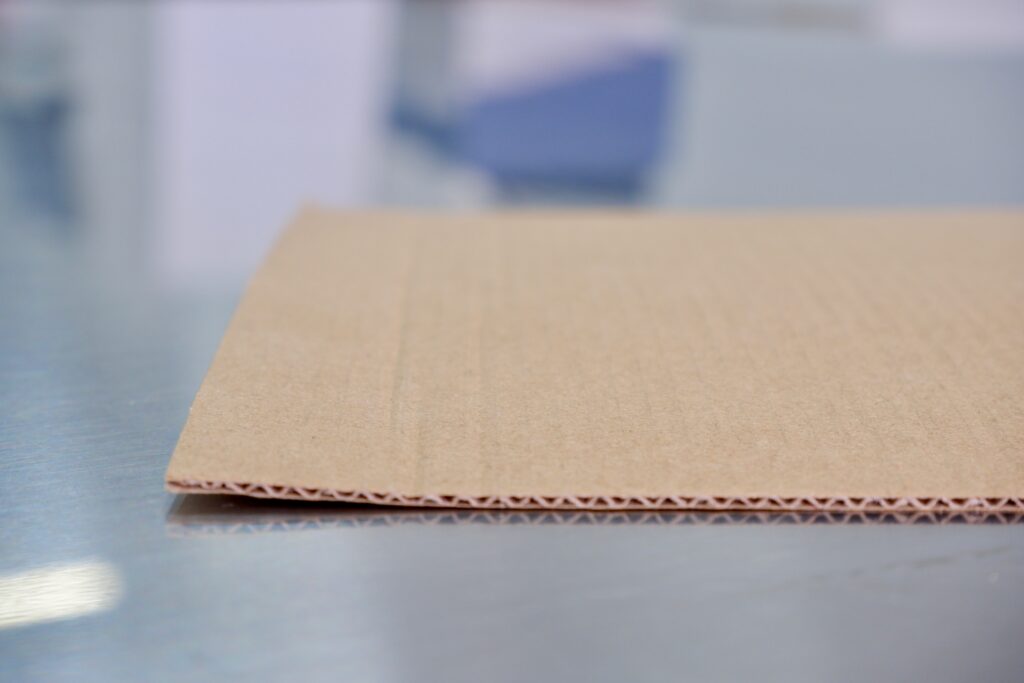
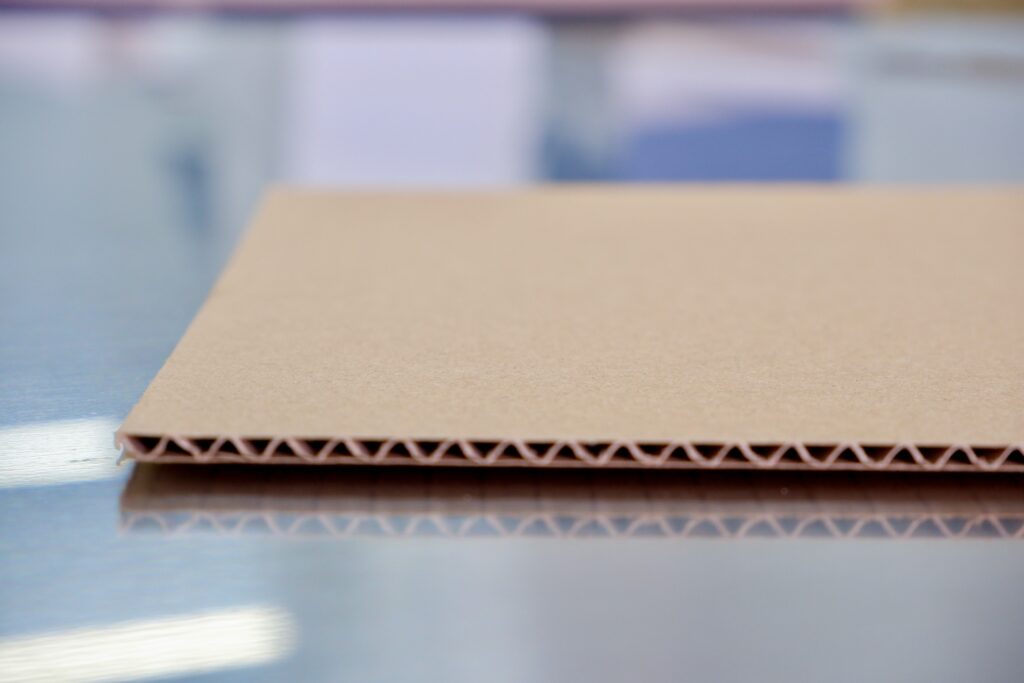
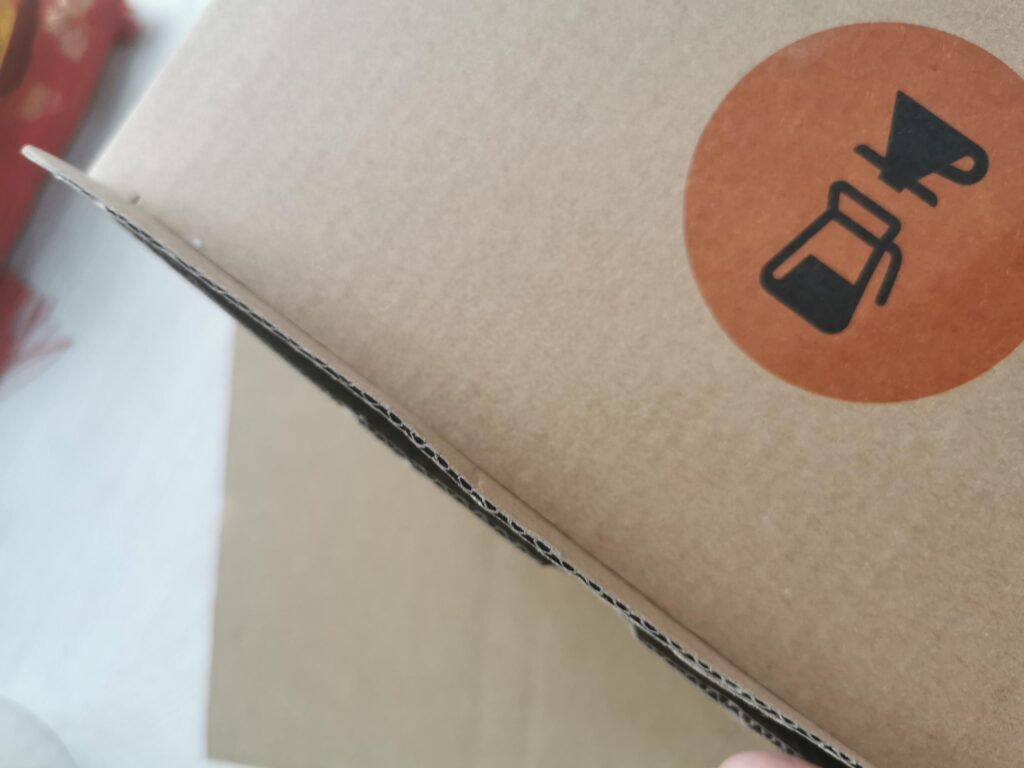
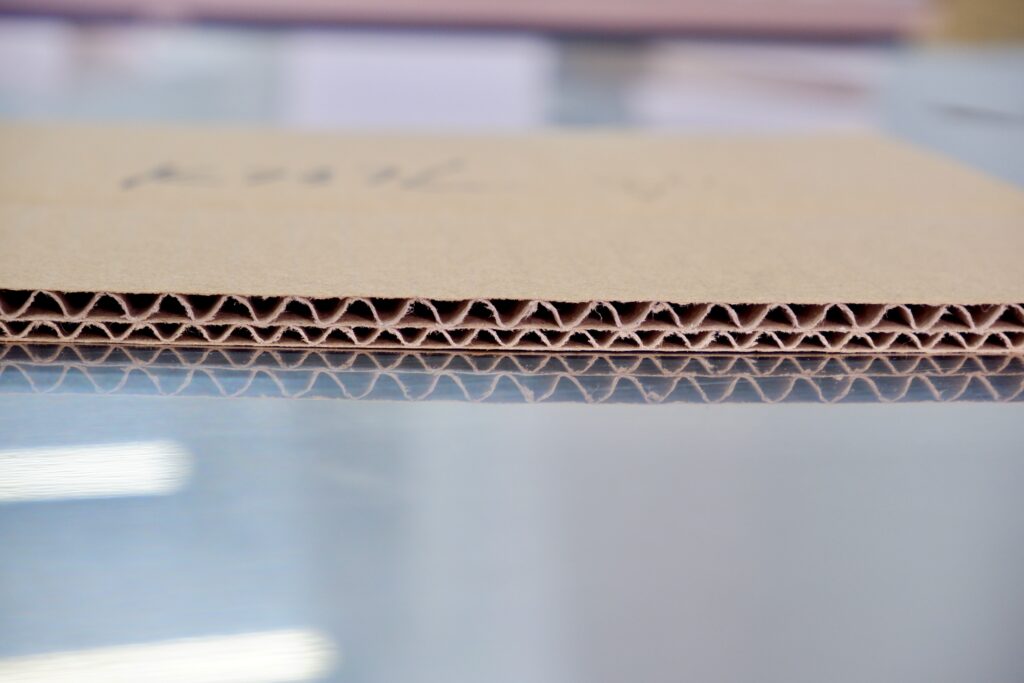
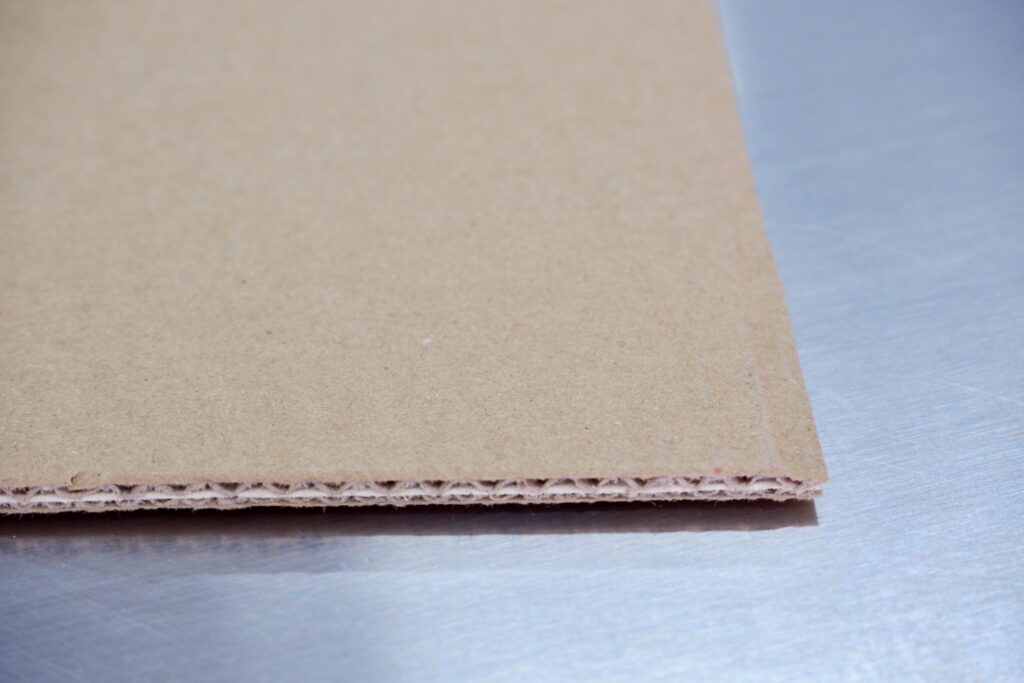
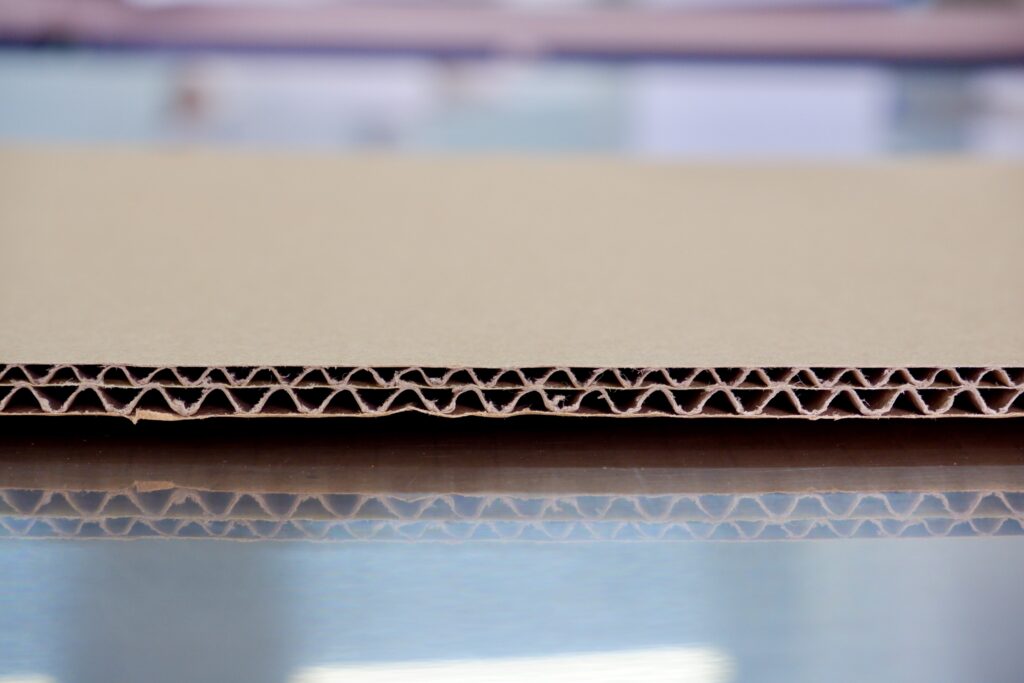
Applicable paper types: 300g grey back white board, 250g white card, 190g yellow kraft paper, 190g white kraft paper, 250g white kraft paper, 250g yellow kraft paper
The table above lists the grammages of conventional printed corrugated paper of Baoxiaohe. For corrugated paper of the same type, different grammages result in naturally different thicknesses after printing. There is a difference in printing methods between batch printing and sample printing: samples are digitally cut, while batch printing uses die-cutting plates, which compresses the paper slightly more tightly. As a result, batch-printed products appear marginally thinner than the samples.
Differences among U-type, V-type and UV-type corrugations
The corrugations of corrugated paper can be divided into U-type corrugation, V-type corrugation and UV-type corrugation.
U-type corrugation features good elasticity and adhesion. However, due to the large consumption of paper and adhesive, it has low flat crush resilience. It can only recover within its elastic limit and will not return to its original shape under excessive pressure.
V-type corrugation is roughly triangular, featuring good stiffness but poor resilience and adhesive strength.
UV-type corrugated cardboard is widely popular on the market now. Compared with the previous two types, UV-type corrugation has higher compression resistance and delivers better performance.
| Corrugation Structure | Corrugation Type | Corrugation Details | Finished Product Display |
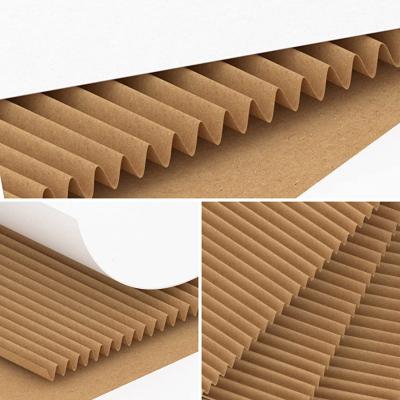
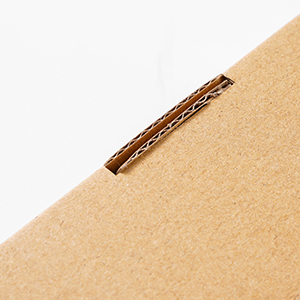
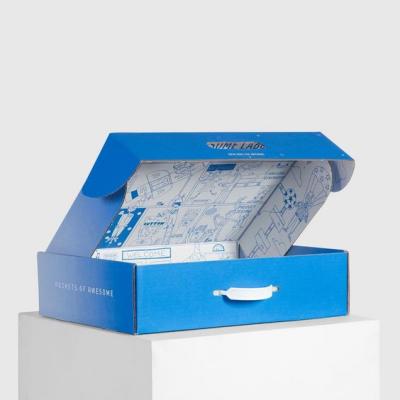
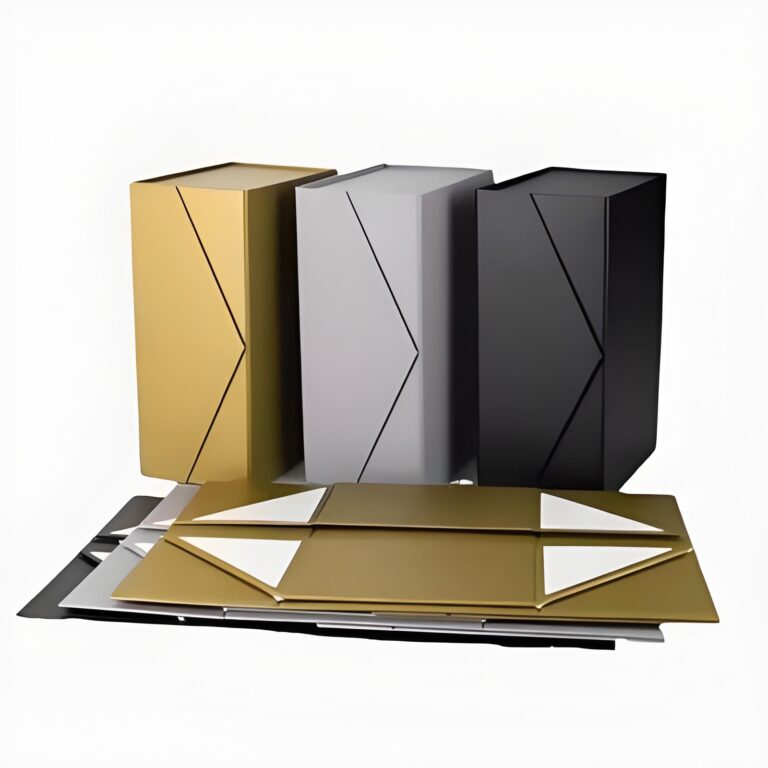
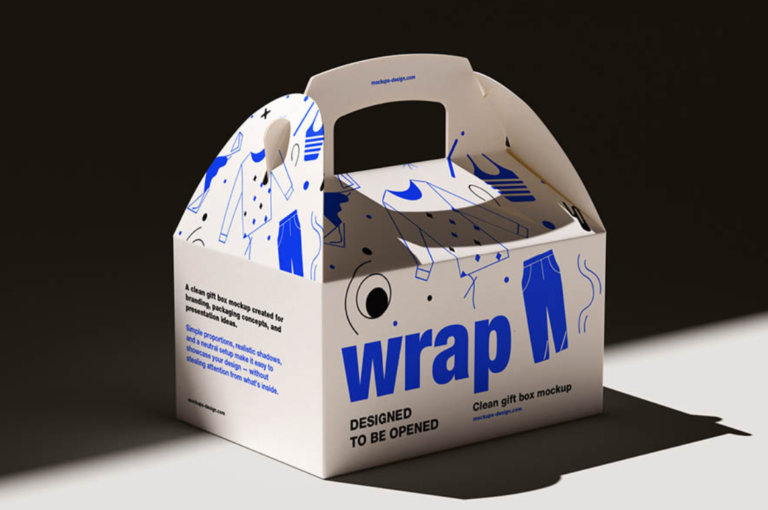
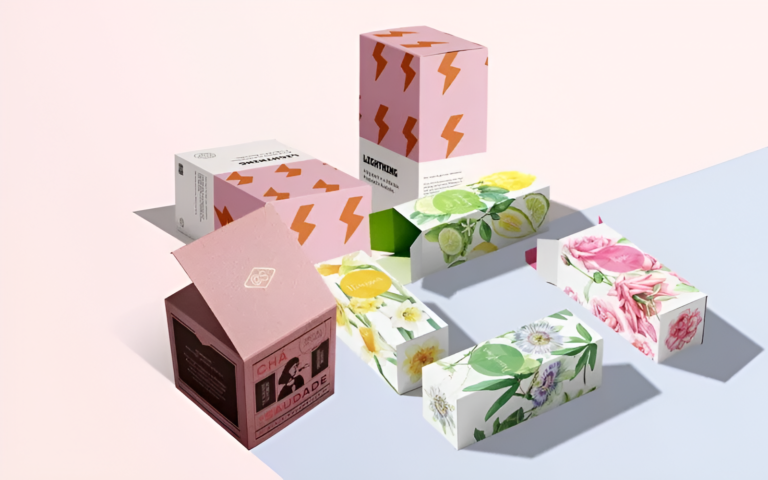
Corrugated materials are mostly used for making cartons and paper boxes. Different types of corrugated paper are generally selected based on the weight of the contents and product characteristics. Corrugated board with liner paper supports a variety of processes. However, corrugated board without liner paper cannot be laminated or oil-coated; only partial UV processing is available. Except for airplane boxes, which do not require gluing after assembly, products of other box styles are glued by default before delivery.
If kraft paper is used as the liner paper for corrugated board, lamination and oil coating are not recommended.