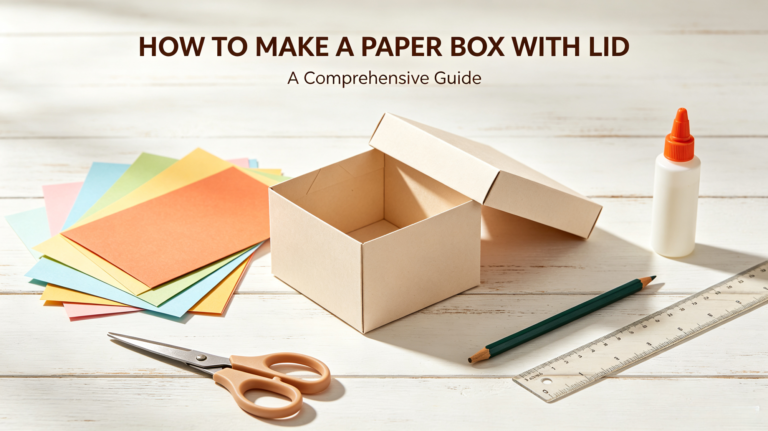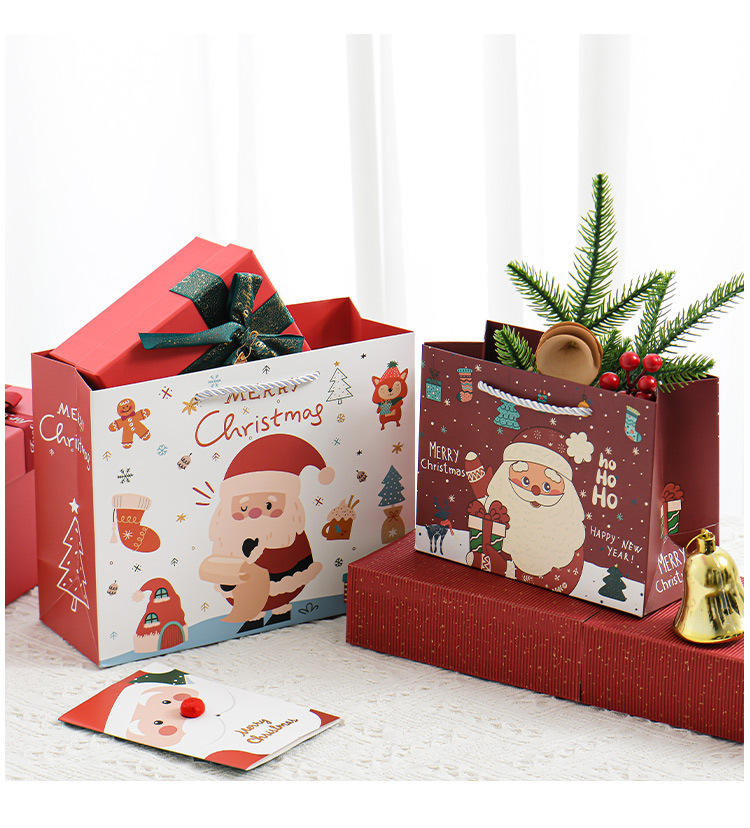
Digital proofing plays a vital role in gift box production. Leveraging digital printing technology, digital proofs convert design drafts into physical samples, offering customers visual and tactile experiences close to finished products. It not only helps customers better comprehend design proposals but also enables early detection of potential issues to avoid errors in mass production.
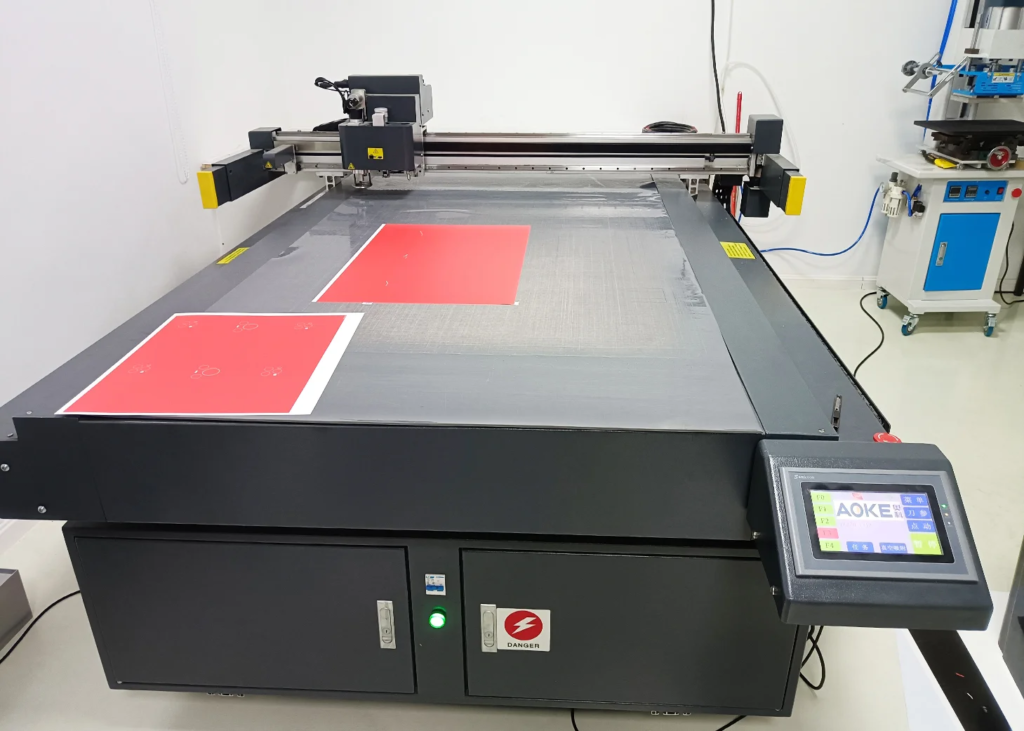
Basic Steps of Digital Proofing
- Preparation of Design Drafts:
Everything starts with design. Designers create elaborate gift‑box design drafts based on customer requirements and brand styles, finalizing colors, patterns, texts and layouts. The accuracy and details of design drafts directly affect the quality of digital samples, so special attention must be paid to this step. - Output via Digital Printing Machine:
Selecting an appropriate digital printing machine is critical for digital sample production. High‑performance digital printing equipment can precisely reproduce every detail in design drafts, such as color accuracy and line sharpness. - Material Selection:
The choice of different materials directly determines the final presentation of digital samples. Generally, materials identical or similar to those used for mass production are adopted for digital proofing to ensure sample authenticity. If customers have special material requirements, such as specific tactile or visual effects, extra attention should be paid to the material‑selection phase. - Printing Process:
Color reproduction should be emphasized during actual proofing. Color deviation may occur between digital printing and mass‑production printing. Therefore, multiple color calibrations are carried out in the proofing phase to ensure consistency between finished outputs and design drafts. Besides, completed samples require comprehensive inspection to verify whether details such as dimensions, patterns and texts meet expectations. - Sample Evaluation and Adjustment:
Once proofing is finished, samples are submitted to customers for evaluation. Customers provide revision suggestions based on physical samples, and designers and technicians make corresponding adjustments according to feedback. This phase is crucial as it directly impacts the quality of final finished products. Upon receiving samples, customers shall carefully check every detail and communicate fully with designers.
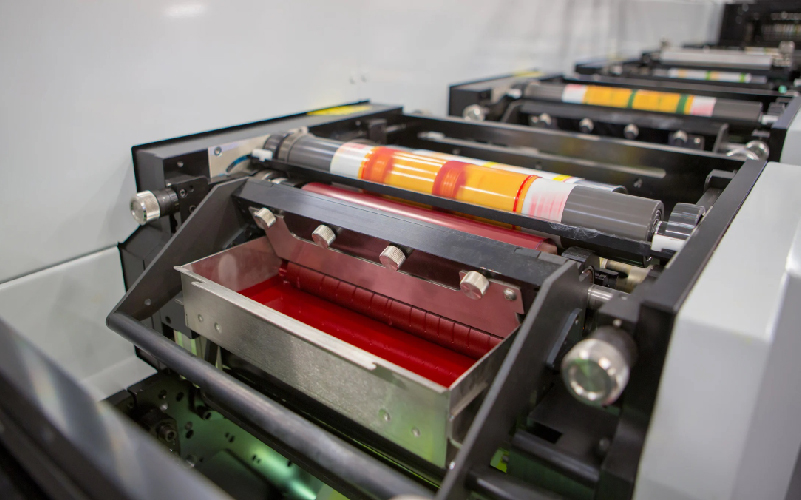
Precautions for Digital Printing
- Color Management:
Digital printing differs from traditional printing in color performance, which may lead to color deviation between proof samples and mass‑produced finished goods. Accurate color management must be implemented prior to proofing to maximize the reproduction of design‑draft colors in digital samples. - Material Consistency:
Raw materials identical to those for mass production should preferably be used for proofing to prevent texture and color deviations caused by material differences. If identical materials are unavailable, customers shall be informed in advance of potential outcome discrepancies. - Detail Inspection:
Thorough and comprehensive inspection must be conducted after proofing, covering the sharpness of patterns and texts as well as dimensional accuracy. Every item from font edges to full‑page layout shall be verified one by one. - Timely Communication:
Communication among designers, customers and production teams is particularly important throughout proofing. All kinds of problems must be surfaced and resolved during the digital‑proofing stage, so as to prevent issues after mass production that cause unnecessary material waste and schedule delays.

Custom Packaging, Crafted for Your Brand
Tailored designs, quality builds, and hassle-free service. Start your custom packaging journey now!