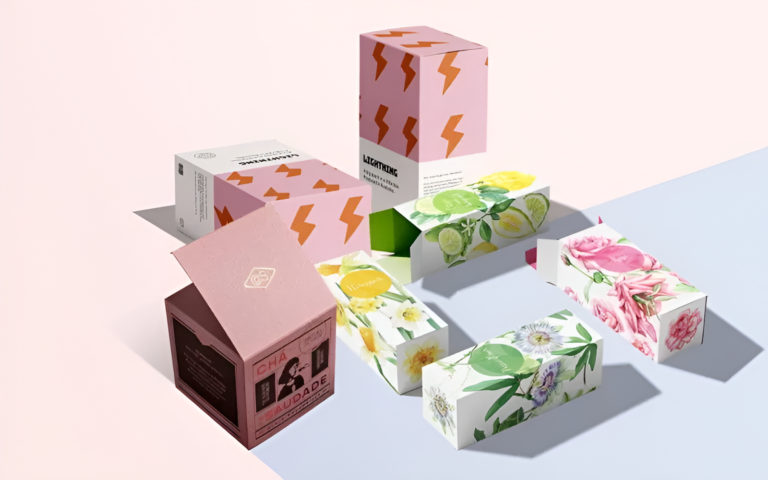
In today’s market, driven by the global push for sustainable development, demand for eco‑friendly packaging boxes is rising rapidly. Suppliers play a critical role in advancing environmental concepts across the entire supply chain. This article aims to help readers understand the importance of selecting suppliers committed to sustainable solutions. From learning about materials for eco‑friendly packaging boxes, to verifying supplier qualifications and certifications, and establishing long‑term partnerships, this guide equips enterprises with essential knowledge to make informed decisions when procuring eco‑friendly packaging boxes.
Understanding Eco‑Friendly Packaging
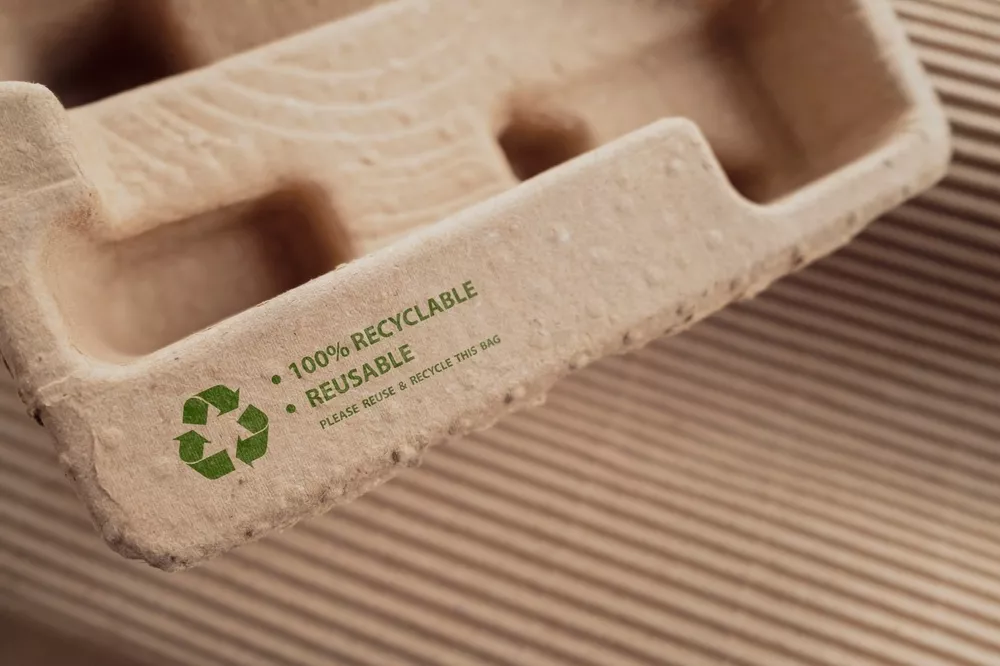
When evaluating eco‑friendly packaging boxes, it is vital to clarify how they differ from traditional packaging materials. Traditional packaging materials harm the environment, take hundreds of years to degrade, generate pollution, and endanger wildlife. By contrast, eco‑friendly packaging boxes offer advantages thanks to their sustainable properties and environmental benefits.
What Qualifies as Eco‑Friendly Packaging?
Materials Used
- Eco‑friendly packaging boxes adopt sustainable materials such as recycled paper, cardboard, and biodegradable plastics. These materials ease pressure on natural resource consumption and reduce waste generation.
- Choosing eco‑friendly packaging boxes fosters the circular economy, promotes material reuse, and lowers the overall carbon footprint.
Production Processes
- The manufacturing of eco‑friendly packaging boxes mostly adopts energy‑saving processes to cut greenhouse‑gas emissions. Manufacturers prioritize environmental initiatives, such as using renewable energy and conserving water.
- Sustainable production processes ensure eco‑friendly packaging boxes are not only environmentally benign but also produced under ethically sound practices.
End‑of‑Life Disposal
While traditional packaging waste lingers in landfills for hundreds of years, eco‑friendly packaging boxes are designed from the outset for compliant disposal. They are readily recyclable or compostable, closing the loop on waste management.
Proper disposal of eco‑friendly packaging boxes creates a cleaner environment and safeguards a more sustainable future for generations to come.
Advantages of Eco‑Friendly Packaging
Environmental Benefits
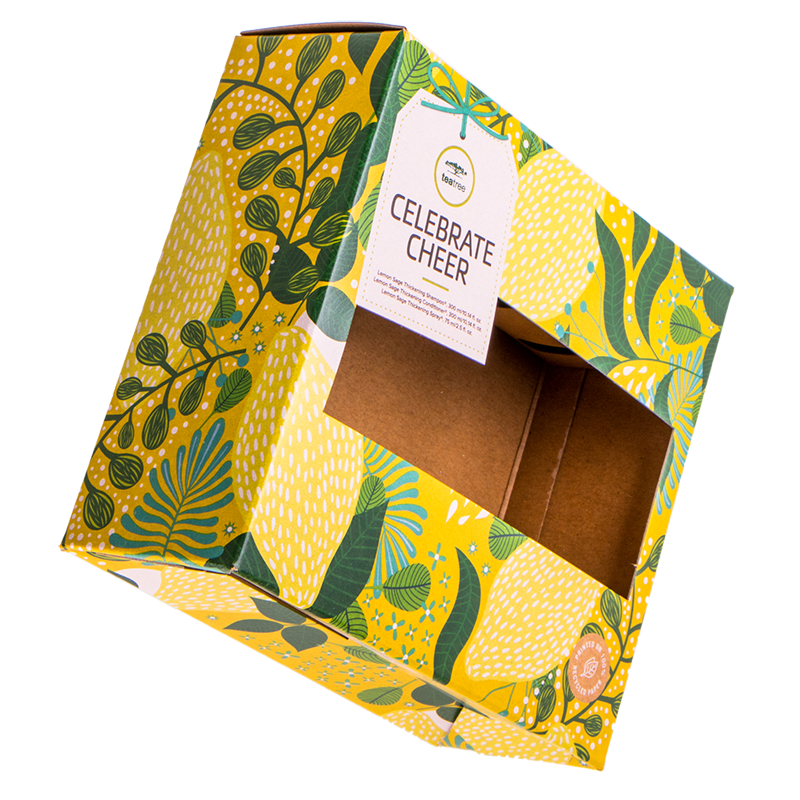
- Using eco‑friendly packaging boxes can drastically cut carbon emissions and alleviate landfill burdens. By opting for sustainable packaging, enterprises can make tangible contributions to natural‑resource conservation.
- Adopting eco‑friendly packaging boxes aligns with global sustainable‑development goals, implements environmental principles throughout the supply chain, and supports climate‑change mitigation.
Brand Image and Consumer Perception
- By using eco‑friendly packaging boxes, enterprises demonstrate active environmental‑protection responsibility and enhance brand reputation among environmentally conscious consumers.
- A growing number of consumers value corporate social responsibility reflected through sustainable initiatives such as eco‑friendly packaging, which helps boost customer loyalty and consumer trust.
Long‑Term Cost Advantages
Although the upfront costs of eco‑friendly packaging boxes may appear higher, long‑term cost savings can be achieved through reduced material waste and lower waste‑disposal expenses.
Beyond environmental benefits, eco‑friendly packaging boxes can improve operational efficiency over time and deliver financial sustainability.

Screening Criteria for Quality Suppliers
Supplier Environmental Certifications
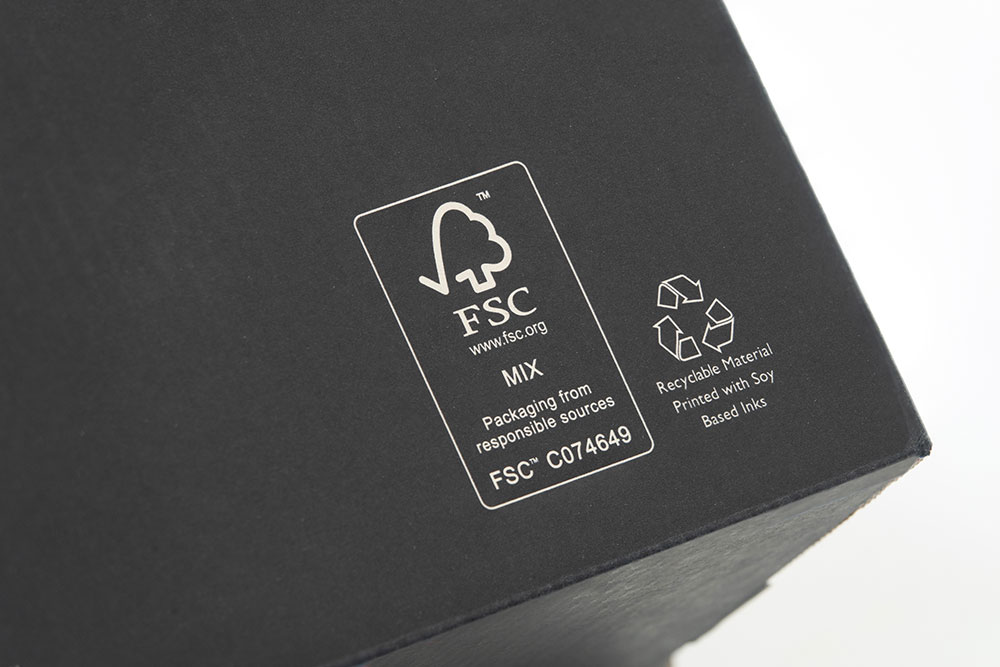
When selecting suppliers of eco‑friendly packaging boxes, priority should be given to partners holding authoritative environmental certifications. Credentials such as BSCI and FSC certify that suppliers implement sustainable production and that their products meet stringent environmental standards.
BSCI
BSCI is an organization advocating corporate social responsibility. It requires enterprises to apply the BSCI monitoring system across global production sites to continuously raise social‑responsibility standards.
FSC Certification
Choosing an FSC‑certified supplier means raw materials for eco‑friendly packaging boxes originate from responsibly managed forests. This certification advances forest conservation, promotes sustainable forestry, and protects natural habitats.
Other Relevant Certifications
Besides ISO 14001 and FSC certifications, other certifications reflecting suppliers’ commitment to sustainable development may also be considered. Look for certifications covering different environmental dimensions such as carbon neutrality and renewable‑energy use to ensure suppliers deliver comprehensive environmental protection.
Packaging Quality and Durability
Quality and durability of eco‑friendly packaging boxes are core considerations for supplier screening. Packaging materials must be strong and wear‑resistant to effectively protect products during transportation and storage.
Material Strength
Prioritize suppliers that produce eco‑friendly packaging boxes using durable materials including recycled cardboard and biodegradable plastics. Such materials lower environmental impact while providing reliable product protection, reducing goods damage and improving customer experience.
Design and Practicality
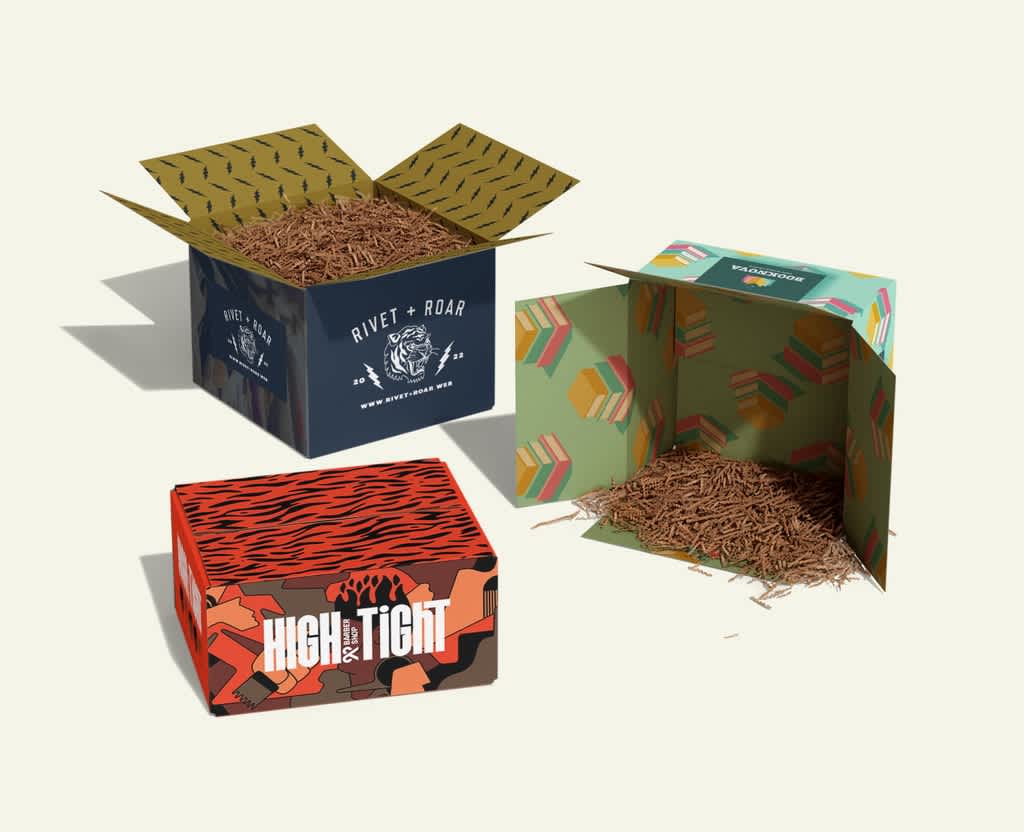
Select suppliers of eco‑friendly packaging boxes that emphasize innovative design and practical performance. Customizable features, secure locking closures, and user‑centric designs enhance user experience and demonstrate a brand’s environmental commitment through practical, aesthetic packaging solutions.
Supplier Reputation and Delivery Capability
When assessing potential suppliers of eco‑friendly packaging boxes, evaluate their industry reputation and ability to consistently deliver high‑quality products. Customer reviews, testimonials, case studies and past projects serve as valid references for gauging supplier competence.
Customer Reviews and Testimonials
Review customer feedback to understand overall satisfaction with a supplier’s products and services. Positive reviews reflect strengths such as product quality, on‑time delivery, responsive after‑sales support, and implementation of sustainable eco‑packaging initiatives.
Cases and Past Projects
Studying a supplier’s past cases and projects reveals real‑world performance in eco‑friendly packaging box business. Focus on demonstrated innovation, delivery reliability, cost control and environmental responsibility in their collaborations with other enterprises.
Cost and Cost‑Effectiveness
Pricing Models
- Suppliers of eco‑friendly packaging boxes offer diverse pricing models to suit varied corporate needs, including flexible options such as per‑order payment, subscription services and volume discounts. By selecting pricing models matching their budget and order frequency, enterprises can control costs while adopting sustainable packaging solutions.
- Apple’s shift to sustainable packaging is a typical example of economic benefits brought by environmental choices. The tech giant phased out plastic hard‑shell packaging and adopted recyclable packaging made from renewable materials such as recycled aluminium and bio‑based plastics. This strategic adjustment not only cut production costs but also won recognition from eco‑minded consumers, strengthening brand loyalty and market competitiveness.
Long‑Term Cost‑Benefits
Procuring eco‑friendly packaging boxes delivers considerable long‑term economic returns for enterprises. Despite higher upfront investment compared with traditional packaging, the durability and sustainability of eco‑friendly materials yield substantial long‑term savings. Reduced material consumption, lower waste‑disposal costs and improved brand reputation together support long‑term financial stability and efficient corporate operations.
Numerous enterprises worldwide are rolling out innovative eco‑packaging solutions to pursue both environmental missions and economic gains. These projects deliver compostable, biodegradable and renewable packaging products to help build a sustainable future. By selecting cost‑effective eco‑solutions, enterprises can gain a firm foothold in competitive markets while upholding sustainable‑development principles.

Steps for Evaluating Potential Suppliers
Researching and screening suppliers of eco‑friendly packaging boxes constitutes an important step toward sustainable procurement. Thorough evaluation is required to ensure suppliers align with corporate environmental values and quality standards.
Research and Initial Screening
- First conduct comprehensive online research to identify suppliers specializing in eco‑friendly packaging boxes. Online platforms provide abundant information such as supplier profiles, product catalogues and customer reviews to support initial screening.
- Draw on industry recommendations from sustainable‑development forums and environmental‑industry communities to discover reputable, environmentally focused suppliers. Leverage industry insights to narrow down candidate lists and connect with reliable sustainable‑packaging service providers.
Request Samples and Proposals with Quotations
- Request samples of eco‑friendly packaging boxes from candidate suppliers to inspect product quality, design and material environmental attributes in practice. Sample evaluation focuses on durability, environmental performance, appearance and compatibility with in‑house products.
- Review supplier‑submitted proposals to understand product details, pricing, customisation options and environmental initiatives. Compare proposals against internal corporate requirements and sustainable‑development goals to select suitable partners for eco‑friendly packaging boxes.
On‑Site Supplier Audits
- Visit prospective suppliers’ factories to gain holistic insights into their production workflows, quality‑control measures and compliance with environmental regulations. On‑site visits offer direct visibility into supplier operations and their commitment to sustainable production.
- Perform compliance checks during audits to verify certifications, environmental policies and raw‑material procurement compliance. Confirm suppliers adhere to industry standards for sustainable packaging materials and maintain transparency regarding environmental responsibilities.
Establishing Long‑Term Partnerships with Suppliers
Communication and Collaboration
Regular Meetings
Maintain frequent, open‑minded communication with suppliers to deepen partnerships. Hold regular check‑ins to follow up on ongoing projects, resolve issues promptly and align on future objectives. Sustained regular communication fosters mutual trust and enables efficient, mutually beneficial cooperation.
Feedback Mechanisms
Build robust feedback channels for constructive dialogue with suppliers. Encourage both parties to exchange ideas, suggestions and evaluations to continuously optimise workflows and resolve issues efficiently. Constructive feedback drives mutual iteration, improves solutions and product quality, and jointly adapts to market shifts.
Continuous Optimisation and Innovation
Keep Abreast of Industry Trends
Stay updated on industry developments and emerging technologies within eco‑packaging. Track market changes, innovations and consumer preferences, proactively adjust packaging requirements, and learn about new sustainable solutions offered by suppliers. Following industry trends ensures packaging solutions remain market‑competitive, environmentally sound and responsive to evolving consumer expectations.
Drive Supplier Innovation
Cultivate an open, collaborative partnership atmosphere and encourage supplier innovation. Jointly explore optimisation directions and new ideas for eco‑packaging design, materials and processes. Motivating supplier innovation generates fresh concepts, advances environmental‑project implementation, and co‑creates differentiated cutting‑edge packaging products that help brands stand out in the marketplace.
Selecting the right supplier for eco‑friendly packaging boxes is key to implementing sustainable initiatives and meeting consumer expectations.
Prioritising suppliers holding authoritative environmental certifications such as ISO 14001 and FSC ensures compliant raw‑material sourcing and environmentally responsible production processes.
The value of eco‑friendly packaging benefits not only enterprises but also protects ecosystems and responds to global sustainable‑development goals.
Enterprises are urged to take immediate action, embrace sustainable concepts, and build long‑term partnerships with suppliers dedicated to building a greener future.

Custom Packaging, Crafted for Your Brand
Tailored designs, quality builds, and hassle-free service. Start your custom packaging journey now!