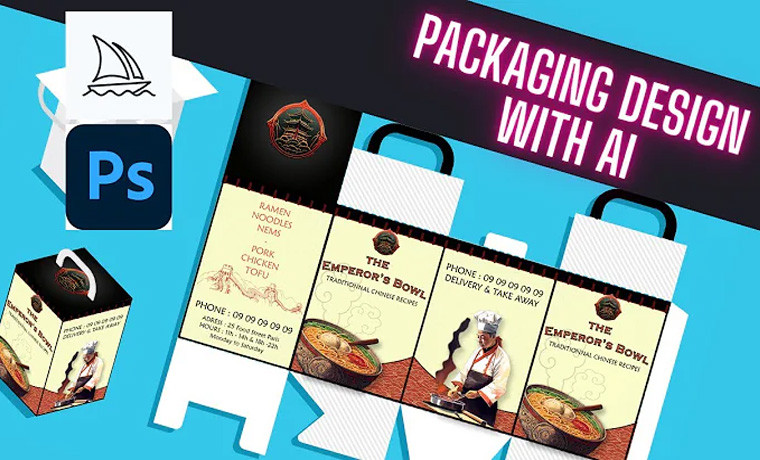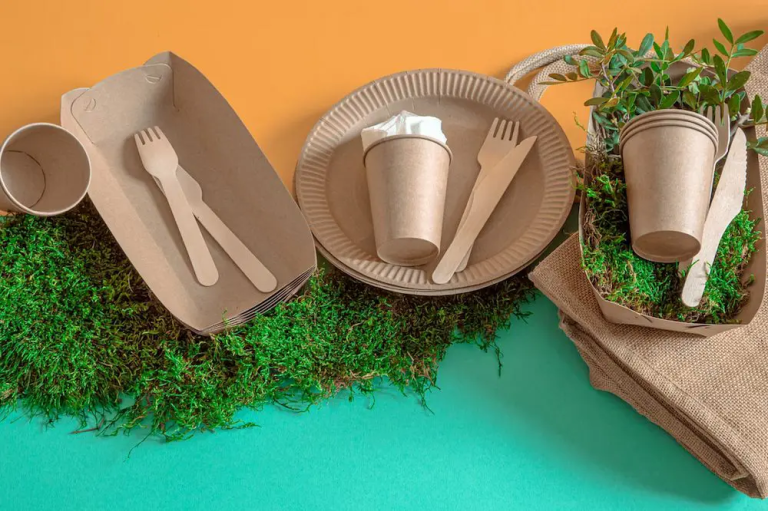
In the competitive world of retail and e-commerce, custom packaging is no longer just a protective shell for products—it has evolved into a powerful marketing tool, a brand ambassador, and a key factor in influencing consumer purchasing decisions. Whether you’re launching a new product, rebranding an existing line, or aiming to stand out on crowded shelves, mastering the art of custom packaging design is crucial. This article breaks down practical, actionable design tips to help you create packaging that balances aesthetics, functionality, and brand identity.

1. Start by Understanding Your Target Audience
Before putting pen to paper (or cursor to screen), the first step in effective custom packaging design is to know who you’re designing for. Your target audience’s preferences, lifestyles, and values will dictate every design choice—from color palettes to material selection.
For example:
- If your product is aimed at eco-conscious millennials and Gen Z, prioritize sustainable materials (e.g., recycled cardboard, plant-based inks) and minimalist, nature-inspired designs (earthy tones like olive green or beige, subtle leaf motifs).
- For luxury beauty or skincare brands targeting mature consumers, opt for premium materials (matte finishes, metallic foils) and elegant color schemes (deep burgundy, gold accents) to convey sophistication.
- For children’s toys or snacks, use bright, playful colors (neon pinks, sunny yellows) and fun, cartoon-style graphics to capture young attention and appeal to parents seeking joy for their kids.
Ignoring your audience’s preferences can lead to packaging that feels disconnected, reducing its ability to resonate and drive sales.
2. Integrate Brand Identity Seamlessly
Custom packaging should be an extension of your brand—so recognizable that consumers can identify your product at a glance, even without seeing the logo. To achieve this, consistently incorporate core brand elements into your design:
- Logo Placement: Position your logo prominently (e.g., top of the box, front panel) but avoid overcrowding. Ensure it’s sized appropriately—large enough to be visible, but not so large that it overshadows other key information (like product benefits or usage instructions).
- Brand Colors: Stick to your brand’s official color palette. Colors evoke emotions: blue conveys trust (ideal for healthcare or tech products), red signals energy (great for snacks or fitness gear), and white feels clean (perfect for cosmetics or organic foods). Using off-brand colors can confuse customers and weaken brand recognition.
- Brand Voice: Your packaging’s text should reflect your brand’s tone. If your brand is friendly and casual (e.g., a artisanal coffee brand), use conversational language (“Brew joy every morning!”). If it’s professional (e.g., a medical device brand), keep text clear and straightforward (“Instructions for safe use:”).
3. Prioritize Functionality Over Just Aesthetics
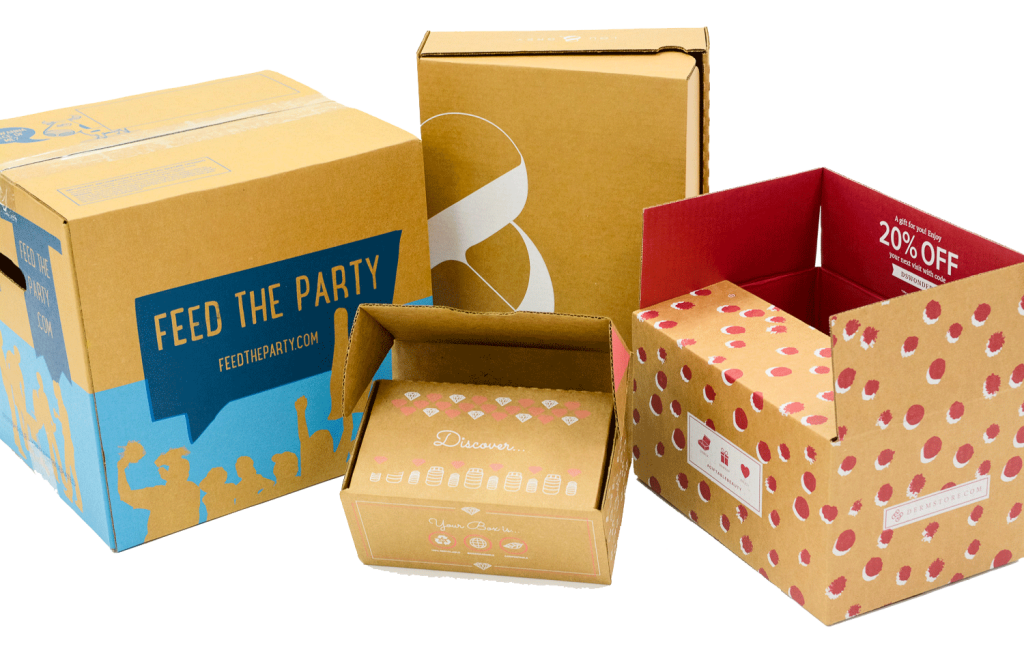
A beautiful package is useless if it fails to protect the product, is hard to open, or doesn’t fit practical needs (like storage). Functionality should guide design decisions from the start:
- Product Protection: Choose materials based on your product’s fragility and shipping conditions. For delicate items (e.g., glass jars, electronics), use padded inserts, corrugated cardboard, or bubble wrap liners. For perishable goods (e.g., food, skincare), opt for moisture-resistant or airtight materials to preserve freshness.
- Ease of Use: Avoid “over-packaging” that frustrates customers. For example, a toy packaged in layers of plastic that requires scissors to open can create a negative first impression. Instead, use easy-to-tear tabs, magnetic closures, or foldable designs that are simple to access.
- Space and Storage: Consider how customers will store the product after opening. A snack bag with a resealable zipper lets customers keep contents fresh, while a stackable box (for household items like cleaning supplies) saves space in cabinets. For e-commerce, also think about shipping efficiency—packages that fit standard shipping sizes can reduce costs and minimize environmental impact.
4. Keep the Design Simple and Focused
In a world of sensory overload, simplicity stands out. Cluttered packaging—with too many graphics, text, or colors—can overwhelm customers and make it hard for them to grasp key information (like what the product is or why they need it).
- Focus on One Hero Message: Highlight the most important thing about your product. Is it organic? “100% Organic Cotton” should take center stage. Is it eco-friendly? “Zero Plastic, Fully Recyclable” deserves prominence. Use bold fonts or a contrasting color to make this message pop.
- Limit Visual Elements: Stick to 1-2 key graphics or motifs. For example, a herbal tea brand might use a single illustration of a tea leaf rather than a collage of flowers, mountains, and cups. This keeps the design clean and memorable.
- White Space is Your Friend: White space (or negative space) is the empty area around text and graphics. It helps guide the eye, reduces clutter, and makes your design feel more premium. Luxury brands like Apple or Tiffany & Co. often use ample white space to emphasize elegance and simplicity.
5. Embrace Sustainability
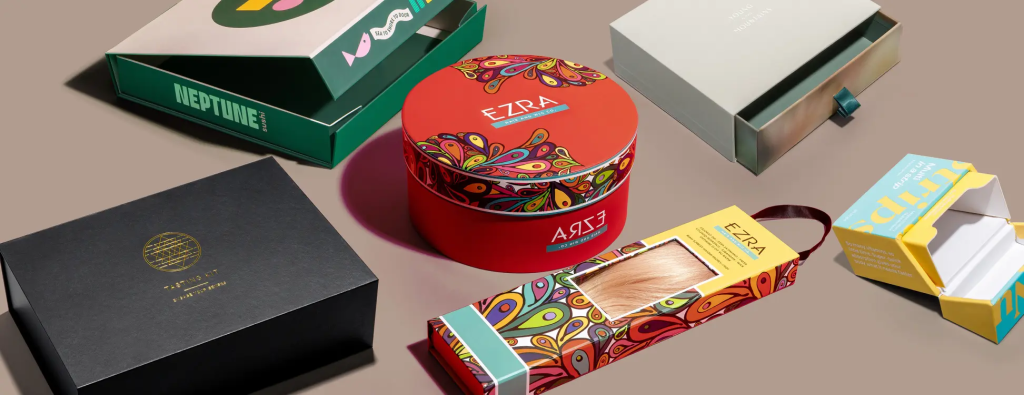
Today’s consumers—especially younger generations—actively seek out brands with eco-friendly practices, and packaging is a visible way to demonstrate your commitment. Sustainable design choices not only appeal to customers but also reduce your environmental footprint:
- Choose Recyclable or Compostable Materials: Opt for materials like recycled paper, cardboard, kraft paper, or plant-based plastics (e.g., PLA, made from cornstarch). Avoid non-recyclable materials like plastic films or foam, which end up in landfills.
- Minimize Material Waste: Design packaging that uses only what’s necessary. For example, a tube of toothpaste that’s 20% smaller (but holds the same amount of product) uses less plastic. Or, use “right-sized” boxes that fit the product perfectly, eliminating the need for excess filler.
- Communicate Sustainability Clearly: Don’t hide your eco-efforts—tell customers about them! Use labels like “Fully Recyclable,” “Made from 80% Post-Consumer Waste,” or “Compostable in 180 Days.” This builds trust and appeals to environmentally conscious shoppers.
6. Test and Iterate Before Finalizing
Even the most well-thought-out design can have flaws once it’s in physical form. Testing your packaging with real users and in real-world scenarios is critical:
- Physical Prototypes: Create a sample of your packaging and test it with the actual product. Check if the product fits securely, if the closures work, and if the text is readable (e.g., small font on a curved bottle might be hard to see).
- User Feedback: Ask your target audience to try the packaging. Do they find it easy to open? Can they quickly understand what the product is? Use their feedback to make adjustments—even small changes (like increasing font size or moving a logo) can make a big difference.
- Shipping Tests: If your product is sold online, test how the packaging holds up during shipping. Send samples to different locations and check for damage—this helps you refine protective elements before launching.
Final Thoughts
Custom packaging design is a blend of art and strategy. By understanding your audience, staying true to your brand, prioritizing functionality, keeping designs simple, embracing sustainability, and testing rigorously, you can create packaging that not only looks great but also drives sales, builds brand loyalty, and leaves a positive impression on customers. Remember: the best packaging doesn’t just hold a product—it tells a story about your brand and connects with people on a meaningful level.

Custom Packaging, Crafted for Your Brand
Tailored designs, quality builds, and hassle-free service. Start your custom packaging journey now!