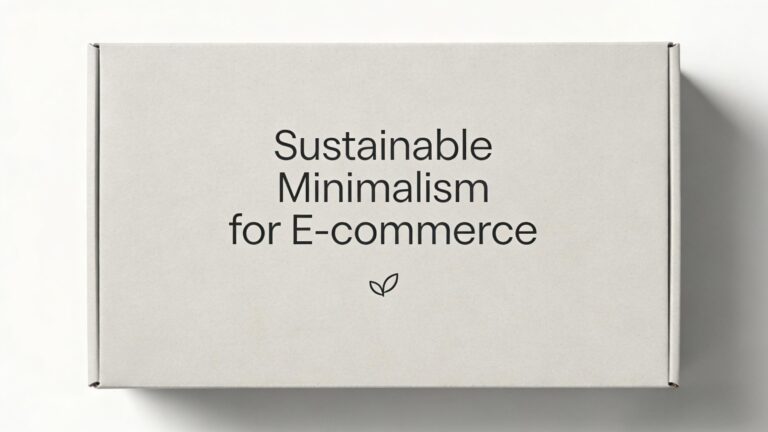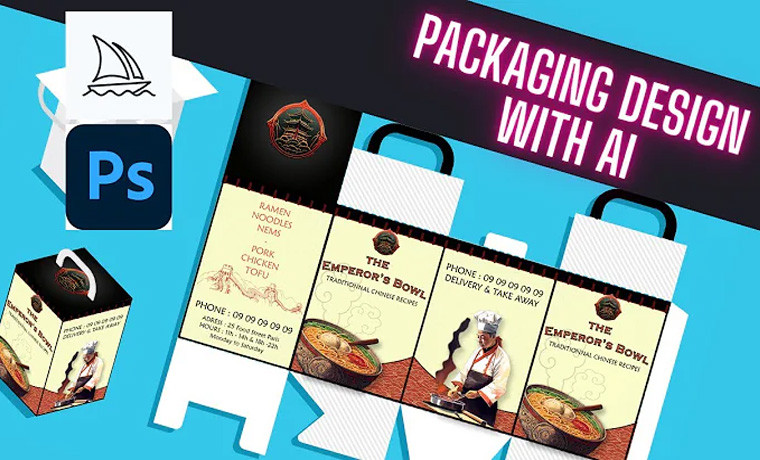
With the escalating global environmental crisis and the growing awareness of sustainable development, the food packaging industry is undergoing a profound transformation. Traditional food packaging materials, dominated by non-degradable plastics, have caused severe environmental pollution and resource waste, prompting the industry to shift its focus to eco-friendly alternatives. This article systematically elaborates on the classification of eco-friendly materials for food packaging, analyzes their key performance requirements in food packaging applications, explores the current application status and technical progress, and discusses the existing challenges and future development trends. It aims to provide scientific and practical reference for the innovation and application of eco-friendly materials in food packaging design.
1. Introduction
Food packaging, as an indispensable part of the food industry, plays a crucial role in protecting food quality, extending shelf life, facilitating transportation and storage, and guiding consumer purchases. However, the massive production and use of traditional food packaging materials, especially single-use plastics, have led to serious environmental problems such as white pollution and microplastic contamination. According to statistics from the United Nations Environment Programme (UNEP), global plastic waste generated each year exceeds 400 million tons, of which food packaging accounts for more than 30%, and only a small proportion is recycled or degraded. In response to this situation, countries around the world have introduced a series of policies and regulations to restrict the use of non-eco-friendly packaging materials. For example, the European Union has implemented the “Plastics Strategy” and the “Single-Use Plastics Directive“, which explicitly prohibit or restrict the use of certain single-use plastic products. Against this backdrop, the development and application of eco-friendly materials for food packaging have become an inevitable trend in the industry’s transformation and upgrading, and have also attracted widespread attention from academia and industry.
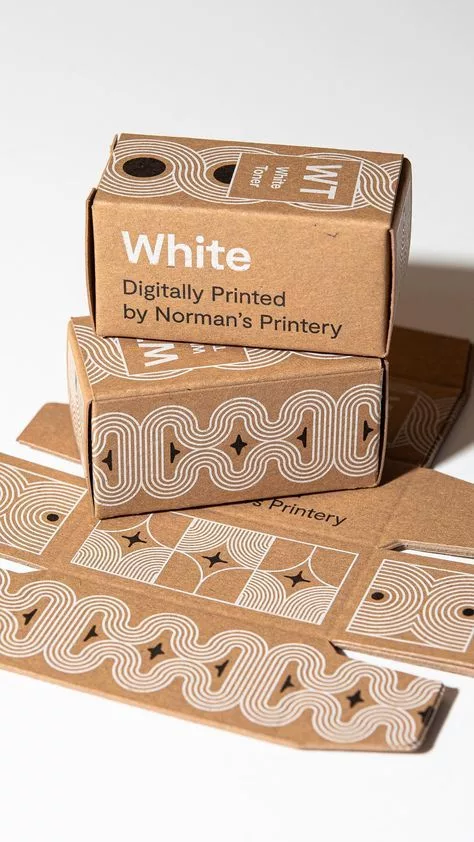
2. Classification of Eco-friendly Materials for Food Packaging
Eco-friendly food packaging materials refer to materials that have minimal negative impacts on the environment throughout their entire life cycle, from raw material extraction, production and processing, use, to disposal or recycling. Based on their sources and characteristics, they can be mainly divided into the following categories:
2.1 Biodegradable Polymer Materials
Biodegradable polymer materials are a class of materials that can be decomposed into harmless substances such as water, carbon dioxide, and organic matter by the action of microorganisms (such as bacteria, fungi, and algae) in natural environments (such as soil, water, and composting conditions) within a certain period of time. They are the most widely studied and applied type of eco-friendly food packaging materials. According to their sources, they can be further divided into natural biodegradable polymers and synthetic biodegradable polymers.
Natural biodegradable polymers are derived from renewable natural resources, such as plants and animals. Common examples include starch-based materials, cellulose-based materials, chitosan, and protein-based materials. Starch-based materials, with abundant and low-cost starch as the main raw material, have good biodegradability and film-forming properties. However, their mechanical properties and water resistance are relatively poor, which limits their direct application. To solve this problem, researchers usually modify starch through physical methods (such as extrusion, blending), chemical methods (such as etherification), or biological methods (such as enzyme modification) to improve its performance. Cellulose-based materials, derived from plant fibers (such as wood, cotton, and straw), have excellent mechanical strength and biodegradability. They can be processed into films, coatings, or composite materials for food packaging. Chitosan, extracted from the shells of crustaceans such as shrimp and crabs, has good antibacterial properties and biodegradability, making it suitable for packaging materials that require antibacterial and fresh-keeping functions. Protein-based materials, such as soy protein, whey protein, and gelatin, have good film-forming properties and nutritional value, but their water resistance and mechanical properties need to be improved through modification.
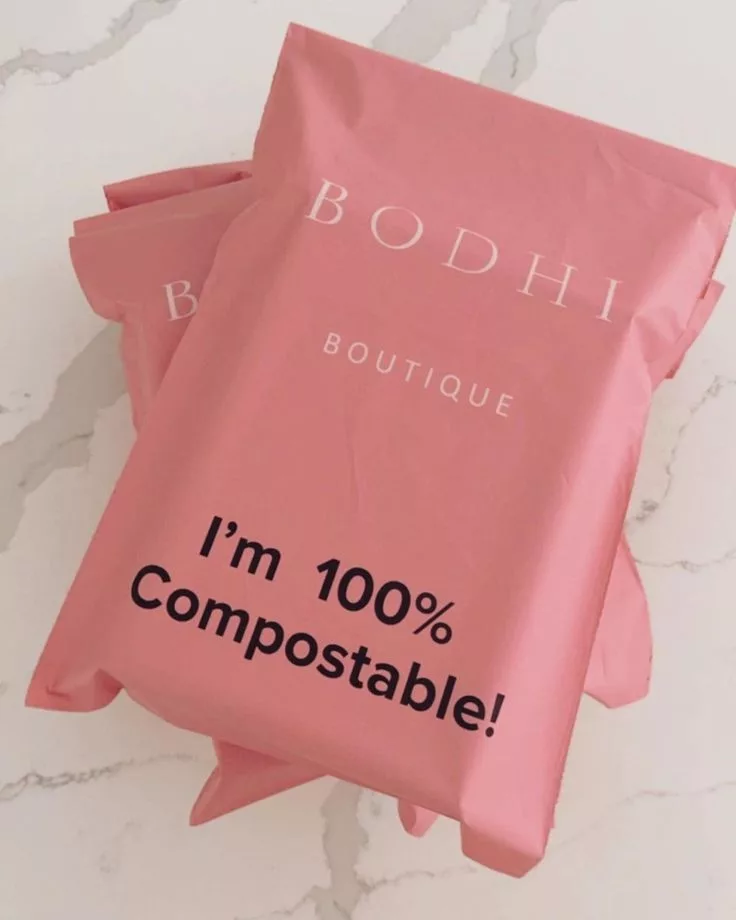
Synthetic biodegradable polymers are synthesized through chemical methods using renewable or non-renewable resources as raw materials, and have biodegradable properties. Common examples include polylactic acid (PLA), polyhydroxyalkanoates (PHA), and polybutylene adipate terephthalate (PBAT). PLA is synthesized from renewable resources such as corn starch or sugarcane through fermentation and polymerization. It has excellent mechanical properties, transparency, and biodegradability, and is widely used in food packaging films, containers, and tableware. PHA is a type of polyester synthesized by microorganisms through fermentation of organic matter. It has good biodegradability and biocompatibility, and its performance can be adjusted by changing the type and proportion of monomers. It is suitable for packaging materials for fresh food, dairy products, and other products. PBAT is a copolymer of adipic acid, butanediol, and terephthalic acid. It has good flexibility, toughness, and biodegradability, and is often blended with PLA to improve the toughness of PLA materials.
2.2 Edible Packaging Materials
Edible packaging materials are a special type of eco-friendly packaging materials that can be directly eaten along with food. They are usually made from edible natural materials, such as carbohydrates, proteins, lipids, and their composites. The biggest advantage of edible packaging materials is that they can completely avoid packaging waste, as they are digested and absorbed by the human body or degraded in the natural environment after use. Common edible packaging materials include edible films, edible coatings, and edible tableware.
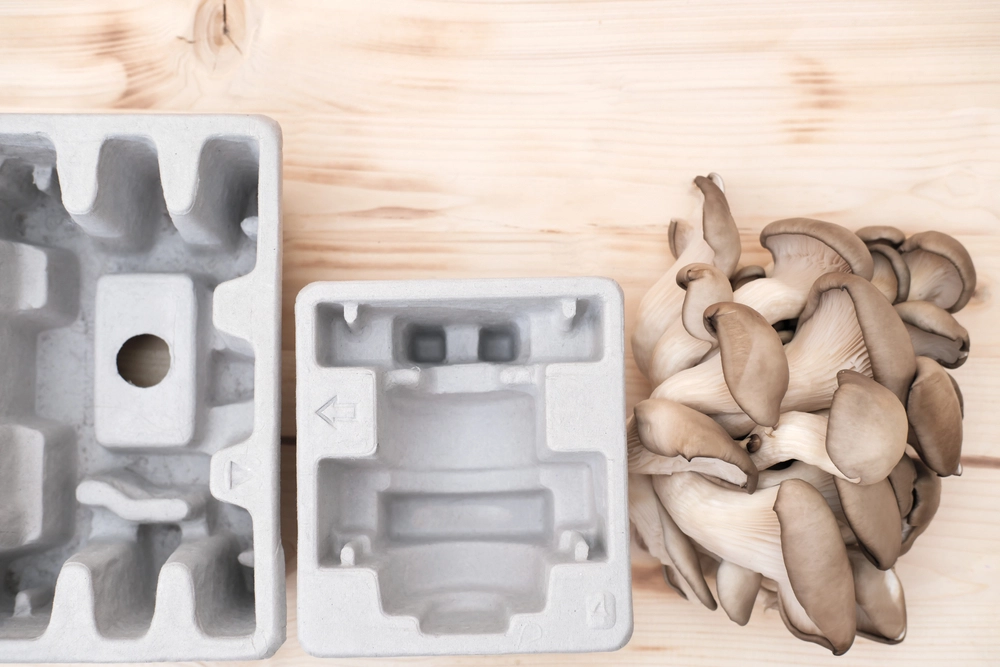
Edible films are thin films made from edible materials through film-forming processes. For example, films made from starch, gelatin, and glycerol (plasticizer) have good oxygen barrier properties and can be used for packaging fruits, vegetables, and meat products to extend their shelf life. Edible coatings are usually applied to the surface of food in the form of a liquid, forming a thin film after drying. They can reduce water loss, prevent oxidation, and inhibit the growth of microorganisms on the food surface. For example, chitosan coating can effectively preserve fresh fruits and vegetables, and reduce the loss of nutrients. Edible tableware, such as bowls, plates, and cups made from starch, flour, and other materials, are non-toxic, harmless, and biodegradable, and can replace traditional plastic tableware.
2.3 Recyclable and Reusable Materials
Recyclable and reusable materials refer to materials that can be recycled and processed after use to produce new packaging materials or other products, or can be reused directly after cleaning and disinfection. This type of material can reduce the consumption of resources and the generation of waste by extending the service life of the material. Common recyclable and reusable food packaging materials include paper-based materials, glass, metal, and certain recyclable plastics (such as polyethylene terephthalate (PET), high-density polyethylene (HDPE)).
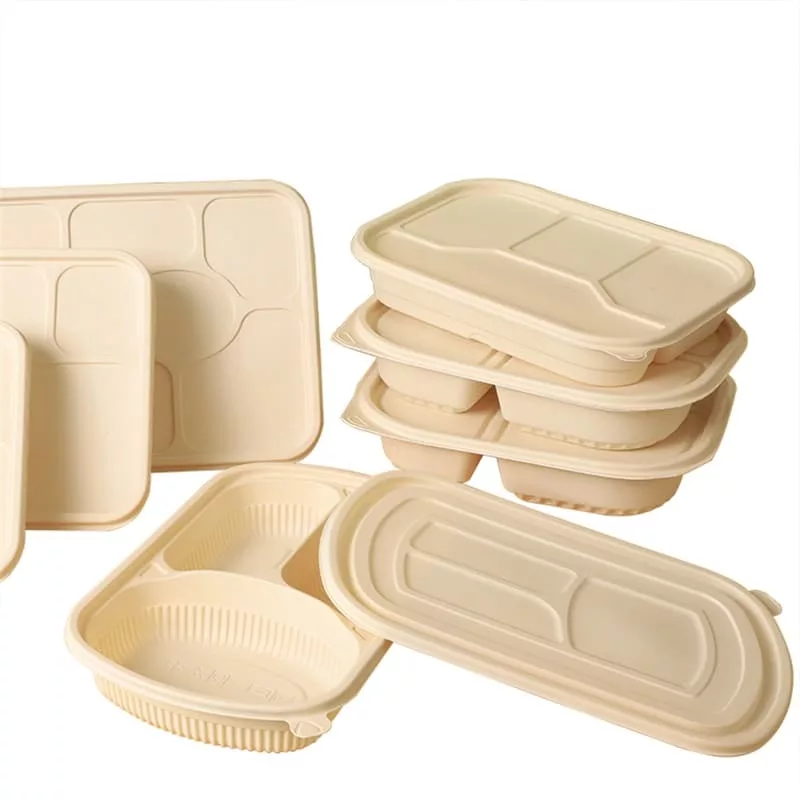
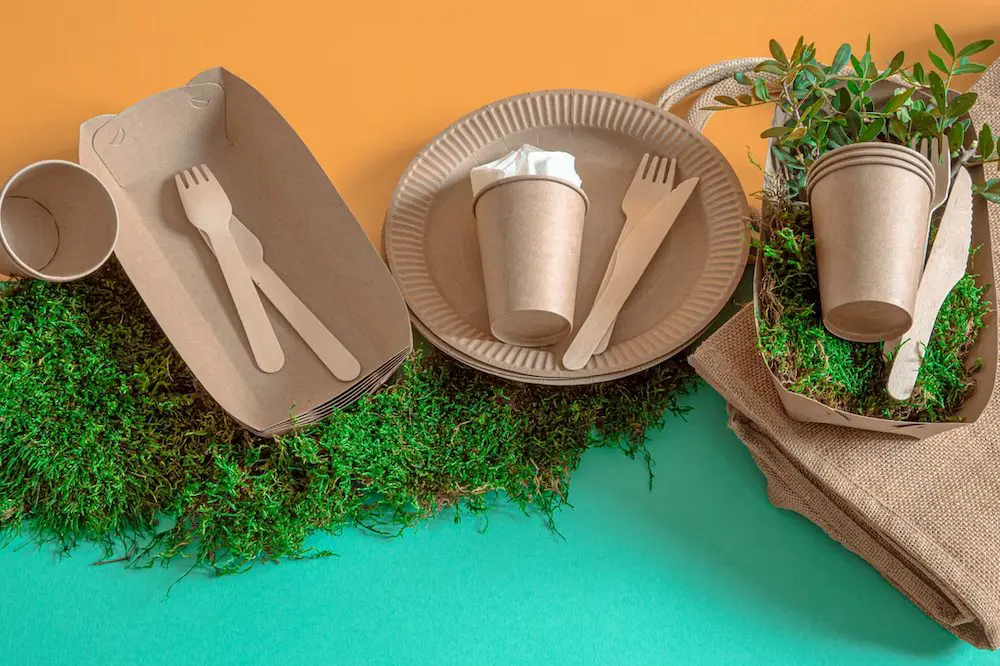
Paper-based materials, made from plant fibers, are renewable, recyclable, and biodegradable. They are widely used in food packaging, such as cartons, paper bags, and paper cups. With the improvement of processing technology, paper-based materials can also be processed to have water resistance, oil resistance, and heat resistance, expanding their application scope in food packaging. Glass is a recyclable material with excellent chemical stability, transparency, and barrier properties. It is often used for packaging beverages, sauces, and other food products. Although glass has the disadvantages of heavy weight and fragility, its recyclability and environmental friendliness make it still an important eco-friendly packaging material. Metal materials, such as aluminum and steel, have good recyclability and mechanical strength. They are commonly used for packaging canned food, beverages, and other products. Recycled metal can save a lot of energy and resources compared to producing metal from raw materials.
3. Key Performance Requirements of Eco-friendly Materials in Food Packaging Design
In food packaging design, eco-friendly materials must not only meet environmental requirements but also satisfy the basic functional requirements of food packaging to ensure food quality and safety. The key performance requirements mainly include the following aspects:
3.1 Barrier Properties
Barrier properties refer to the ability of packaging materials to block the penetration of gases (such as oxygen, carbon dioxide), water vapor, and other substances. Good barrier properties are crucial for extending the shelf life of food. For example, oxygen can cause oxidation and deterioration of food, such as rancidity of edible oil and discoloration of fruits and vegetables; water vapor can lead to moisture absorption or dehydration of food, affecting its texture and quality. Therefore, eco-friendly packaging materials must have appropriate barrier properties according to the characteristics of the packaged food. For example, packaging materials for fatty foods need to have good oxygen barrier properties; packaging materials for dried foods need to have good water vapor barrier properties.

3.2 Mechanical Properties
Mechanical properties include tensile strength, elongation at break, impact strength, and hardness. These properties determine the durability and protective ability of packaging materials during transportation, storage, and use. For example, packaging materials with low tensile strength are prone to tearing, which cannot effectively protect the food inside; packaging materials with poor impact strength are easy to break when subjected to external impact. Therefore, eco-friendly packaging materials must have sufficient mechanical properties to withstand the various external forces encountered in the circulation process.
3.3 Safety and Hygienic Properties
Safety and hygienic properties are the basic requirements for food packaging materials. Eco-friendly materials must not contain harmful substances (such as heavy metals, plasticizers, and solvents) that can migrate into food, and must comply with relevant national and international food safety standards. For example, the migration of plasticizers from packaging materials into food can pose a threat to human health. Therefore, in the production process of eco-friendly packaging materials, it is necessary to strictly control the selection of raw materials and the processing technology to ensure their safety and hygiene.
3.4 Processing and Forming Properties
Processing and forming properties refer to the ability of materials to be processed into various packaging forms (such as films, containers, and bags) through existing packaging processing equipment and processes. Good processing and forming properties can reduce the production cost of packaging materials and improve production efficiency. For example, biodegradable polymers such as PLA and PHA can be processed into films through blow molding, casting, and other processes, and into containers through injection molding, thermoforming, and other processes. If the processing and forming properties of eco-friendly materials are poor, it will limit their large-scale production and application.
4. Application Status and Technical Progress of Eco-friendly Materials in Food Packaging
4.1 Application Status
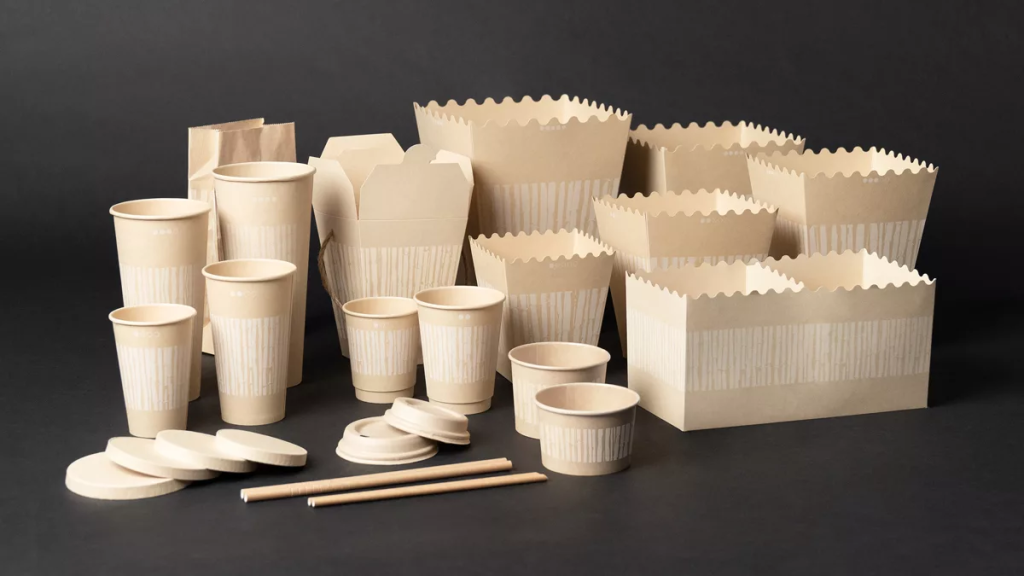
In recent years, with the continuous progress of technology and the increasing support of policies, eco-friendly materials have been increasingly applied in the food packaging industry. In the field of biodegradable polymer materials, PLA has been widely used in food packaging films, disposable tableware, and beverage bottles. For example, many fast-food chains have begun to use PLA disposable tableware to replace traditional plastic tableware; some beverage companies have launched PLA beverage bottles. PHA is also gradually applied in the packaging of fresh food, such as fresh-keeping films for fruits and vegetables and packaging containers for dairy products. Edible packaging materials have also made certain progress in application. For example, some companies have launched edible films for packaging candies and snacks, and edible coatings for preserving fruits and vegetables. Paper-based materials, as a traditional eco-friendly packaging material, are widely used in the packaging of cereals, snacks, and take-out food. With the improvement of water and oil resistance technology, paper-based packaging materials are gradually replacing plastic packaging in some fields. Glass and metal materials are still widely used in the packaging of beverages, canned food, and other products, and their recycling rate is constantly improving.
However, there are still some problems in the application of eco-friendly materials in food packaging. On the one hand, the cost of most eco-friendly materials is relatively high compared to traditional plastic materials. For example, the price of PLA is about 2-3 times that of traditional polyethylene (PE) materials, which limits their large-scale application in low-cost food packaging. On the other hand, the performance of some eco-friendly materials still cannot meet the requirements of certain food packaging. For example, the water resistance and mechanical properties of starch-based materials are poor, making them difficult to be used in packaging materials that require high water resistance. In addition, the recycling system of eco-friendly materials is not perfect, and there are problems such as difficult recycling and low recycling efficiency, which affect the promotion and application of eco-friendly materials.
4.2 Technical Progress
To solve the problems existing in the application of eco-friendly materials, researchers and enterprises have carried out a lot of research work and achieved remarkable technical progress. In terms of material modification, the performance of eco-friendly materials has been continuously improved through blending modification, composite modification, and surface modification. For example, blending PLA with PBAT can significantly improve the toughness and impact strength of PLA materials; compounding starch-based materials with cellulose or chitosan can improve their mechanical properties and water resistance. In addition, surface coating technology can also improve the barrier properties and water resistance of eco-friendly materials. For example, coating a layer of chitosan or beeswax on the surface of paper-based materials can enhance their water and oil resistance.
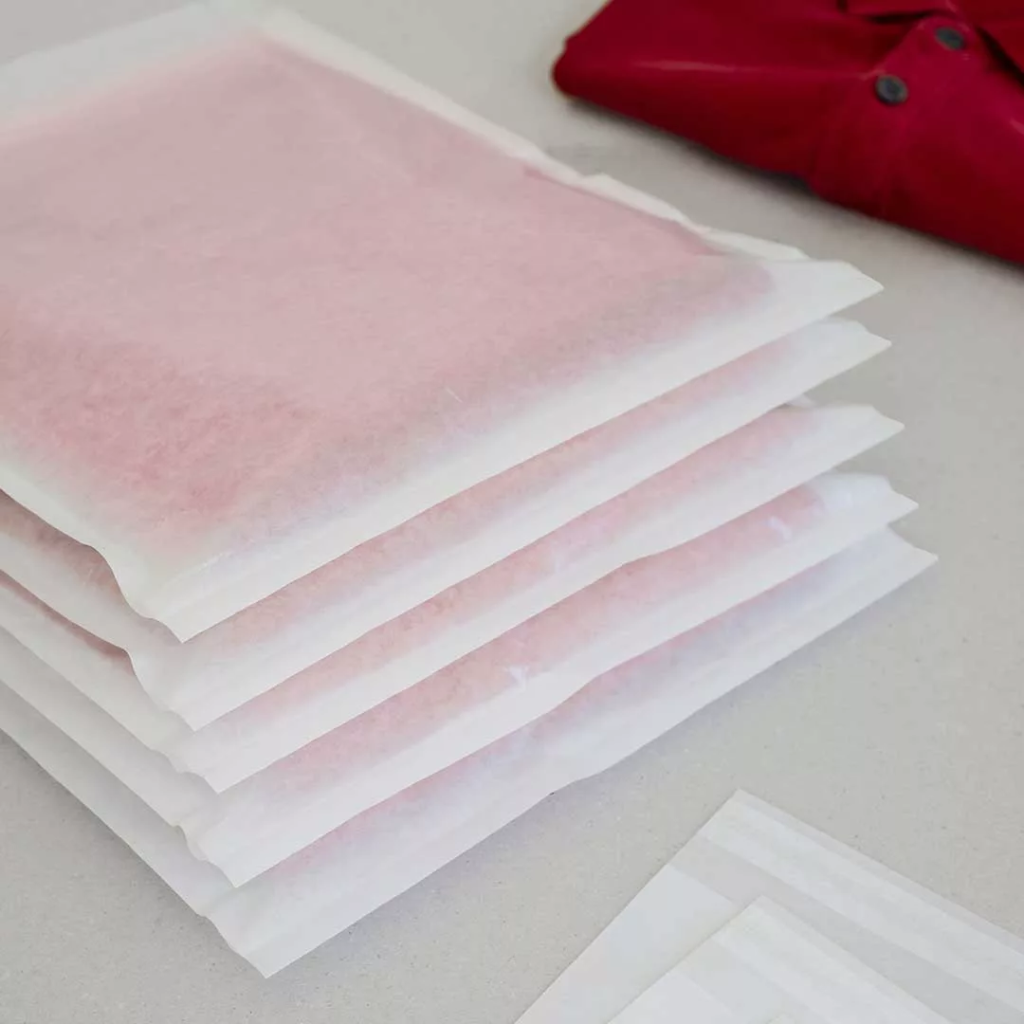
In terms of production technology, the production process of eco-friendly materials has been continuously optimized, and the production cost has been gradually reduced. For example, the production process of PLA has been improved, and the yield and purity of PLA have been increased, thereby reducing its production cost. The development of bio-fermentation technology has also reduced the production cost of PHA. In addition, the development of new raw materials has also provided new ideas for the production of eco-friendly materials. For example, using agricultural and forestry wastes (such as straw, sawdust) as raw materials to produce cellulose-based materials not only reduces the cost of raw materials but also realizes the recycling of wastes.
In terms of recycling and disposal technology, the recycling system of eco-friendly materials has been continuously improved. For example, the recycling technology of paper-based materials, glass, and metal has been relatively mature, and the recycling rate has been continuously improved. For biodegradable polymer materials, the composting technology and anaerobic digestion technology have been continuously developed, which can realize the efficient degradation and resource utilization of biodegradable packaging waste. In addition, the development of chemical recycling technology can decompose biodegradable polymers into monomers, which can be reused to produce new polymers, further improving the resource utilization rate of materials.
5. Challenges and Future Development Trends of Eco-friendly Materials for Food Packaging
5.1 Existing Challenges
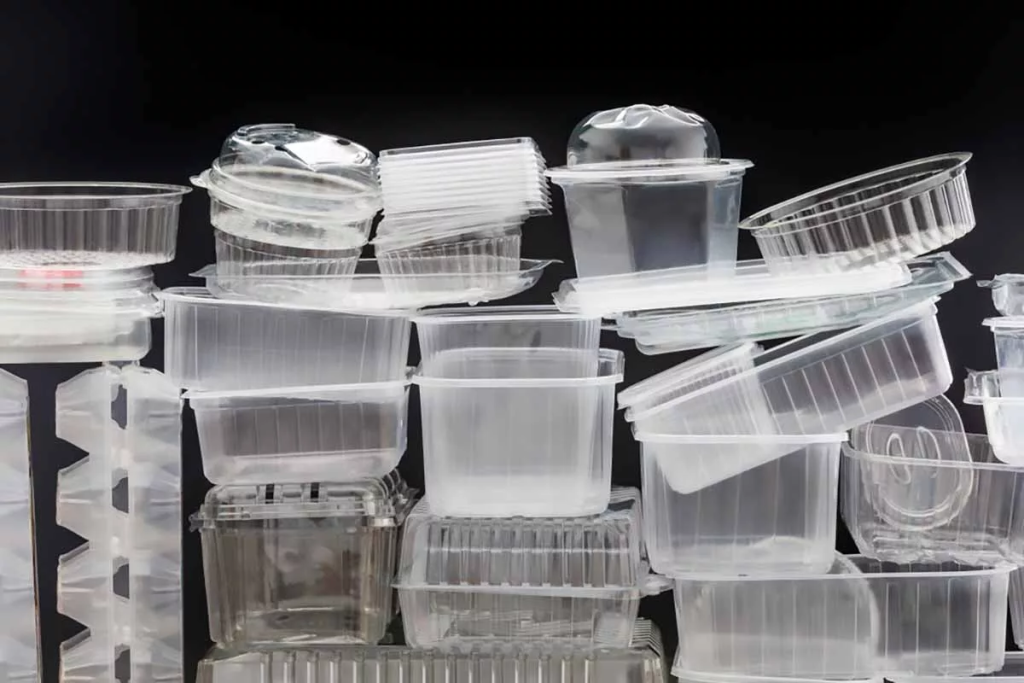
Although eco-friendly materials for food packaging have made great progress in research and application, they still face many challenges. Firstly, the cost problem is still the main bottleneck restricting the large-scale application of eco-friendly materials. Most eco-friendly materials, such as PLA and PHA, have higher production costs than traditional plastic materials, which makes it difficult for them to compete with traditional plastics in price-sensitive markets. Secondly, the performance of some eco-friendly materials is still insufficient. For example, some biodegradable materials have poor heat resistance and cannot be used for packaging materials that require high-temperature sterilization; some edible packaging materials have poor mechanical properties and are easy to break. Thirdly, the supporting facilities for recycling and disposal are not perfect. The classification and recycling system of packaging waste in many regions is not sound, resulting in low recycling rates of eco-friendly materials. In addition, the disposal technology of some eco-friendly materials is not mature, which affects their environmental performance. Fourthly, there is a lack of unified standards and regulations. At present, the standards and regulations for eco-friendly food packaging materials in different countries and regions are not unified, which brings difficulties to the international trade of eco-friendly packaging products.
5.2 Future Development Trends
In the future, with the continuous progress of science and technology and the increasing emphasis on environmental protection, eco-friendly materials for food packaging will show the following development trends: Firstly, the development of low-cost and high-performance eco-friendly materials will be the main direction. Researchers will continue to optimize the production process, develop new raw materials, and improve the performance of materials through modification technology, thereby reducing the cost of eco-friendly materials and improving their competitiveness. Secondly, the integration of multi-functions will become a trend. Future eco-friendly food packaging materials will not only have basic packaging functions but also have additional functions such as antibacterial, fresh-keeping, intelligent monitoring, and active degradation. For example, adding antibacterial agents to biodegradable materials can improve the antibacterial performance of packaging materials; integrating sensors into packaging materials can realize real-time monitoring of food quality. Thirdly, the construction of a circular economy system will be strengthened. The industry will further improve the recycling and disposal system of eco-friendly packaging materials, realize the closed-loop utilization of materials, and improve the resource utilization rate. For example, establishing a complete recycling chain for biodegradable packaging waste, and realizing the resource utilization of waste through composting, anaerobic digestion, and other technologies. Fourthly, the standardization and internationalization of eco-friendly materials will be promoted. Countries around the world will strengthen cooperation to formulate unified standards and regulations for eco-friendly food packaging materials, promoting the healthy development of the global eco-friendly packaging industry. Fifthly, the development of green and sustainable production processes will be emphasized. The production process of eco-friendly materials will gradually realize low energy consumption, low emission, and low pollution, further improving the environmental performance of materials.

6. Conclusion
Eco-friendly materials for food packaging are an important direction for the sustainable development of the food packaging industry. They can effectively solve the environmental problems caused by traditional packaging materials and meet the growing demand for green and healthy food among consumers. At present, eco-friendly materials for food packaging have been divided into multiple categories such as biodegradable polymer materials, edible packaging materials, and recyclable and reusable materials, and have made certain progress in application and technical research. However, they still face challenges such as high cost, insufficient performance, and imperfect recycling systems. In the future, with the continuous efforts of academia and industry, the performance of eco-friendly materials will be continuously improved, the cost will be gradually reduced, and the recycling system will be continuously improved. It is believed that eco-friendly materials will gradually replace traditional non-eco-friendly materials and become the mainstream of the food packaging industry, making important contributions to the realization of global environmental protection and sustainable development goals.

Custom Packaging, Crafted for Your Brand
Tailored designs, quality builds, and hassle-free service. Start your custom packaging journey now!