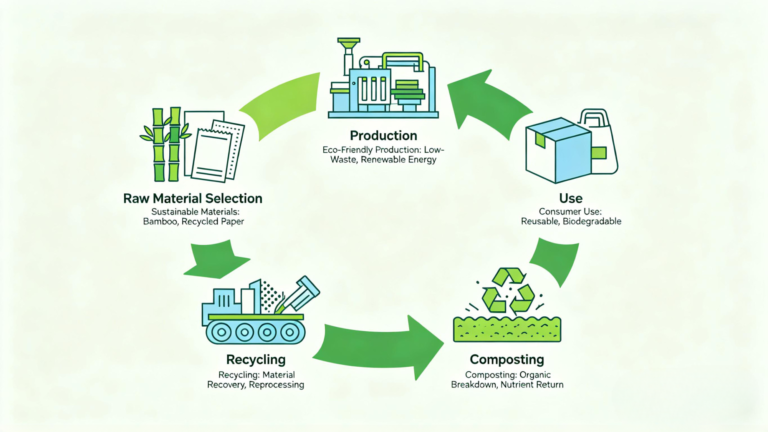
In modern manufacturing, automated packaging production lines have become core components of the supply chain, directly determining the speed, cost, and market competitiveness of product delivery. Efficiency, as the key indicator evaluating the performance of these lines, refers to the ability to complete high-quality packaging operations within a unit of time while minimizing resource waste. Achieving and maintaining high efficiency requires systematic coordination of equipment, processes, personnel, and management, as well as continuous optimization based on actual production needs.
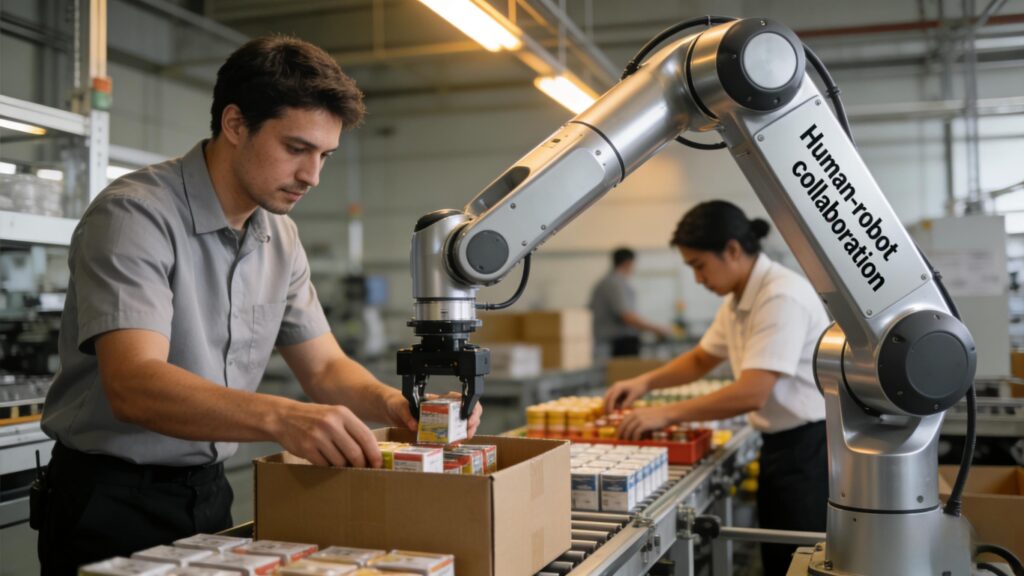
The efficiency of automated packaging production lines is affected by multiple interrelated factors, among which equipment performance and stability are the fundamental guarantees. High-precision packaging machinery, including automatic filling machines, sealing machines, labeling machines, and palletizers, forms the backbone of the production line. The speed of single equipment, such as the filling speed of liquid packaging machines or the labeling accuracy of automatic labelers, directly limits the overall throughput of the line. More importantly, equipment stability determines the frequency of downtime—unplanned shutdowns caused by mechanical failures, component wear, or electrical malfunctions can significantly reduce effective production time, increase maintenance costs, and disrupt the continuous operation of the entire production process. For example, a single failure of a palletizer may lead to the accumulation of packaged products at the end of the line, forcing the entire line to stop until the fault is resolved.
Process design and coordination also play a crucial role in line efficiency. A reasonable process layout should minimize material handling distance and avoid bottlenecks caused by mismatched equipment speeds. For instance, if the output of a filling machine is much higher than the processing capacity of the subsequent sealing machine, products will accumulate between the two processes, resulting in idle capacity of the filling machine and reduced overall efficiency. In addition, the rationality of packaging procedures, such as the sequence of sealing and labeling, the choice of packaging materials, and the adjustment of packaging specifications, also affects production efficiency. Using pre-cut packaging films that match the product size, for example, can reduce the time required for film cutting during the packaging process and improve the continuity of operations.
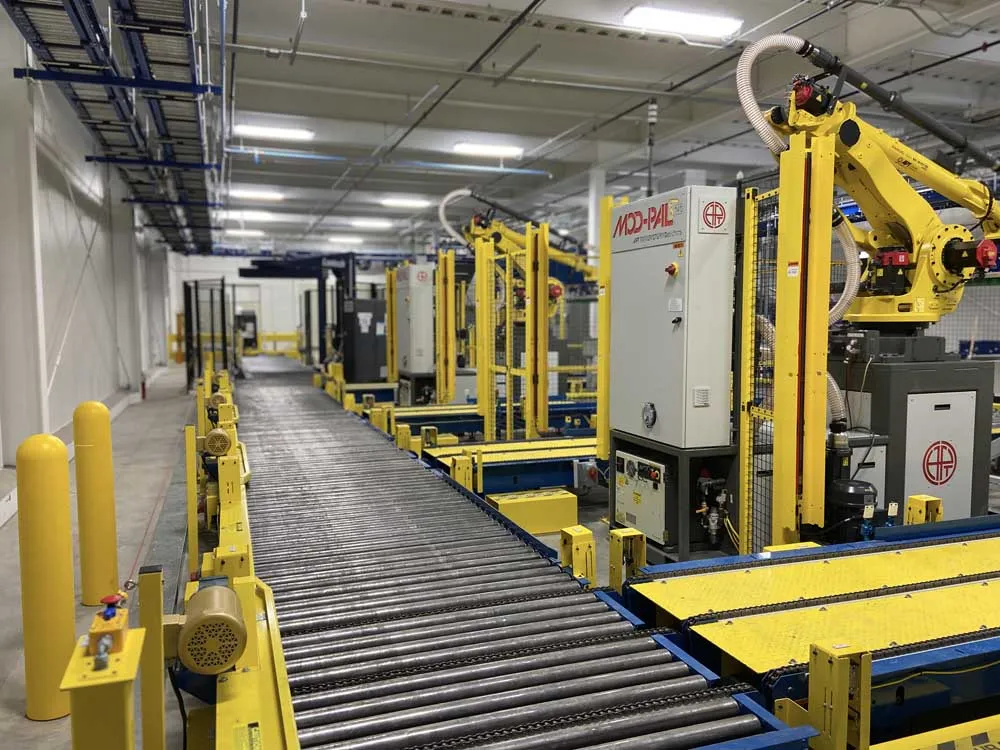
The application of intelligent technologies has become a key driver for improving the efficiency of automated packaging lines in recent years. Industrial Internet of Things technology enables real-time monitoring of equipment operating parameters, such as temperature, pressure, and running speed, allowing for early detection of potential faults and predictive maintenance. This proactive maintenance method replaces traditional reactive maintenance, effectively reducing unplanned downtime and extending equipment service life. Machine vision systems, integrated into labeling and inspection links, can automatically identify product defects, label deviations, or packaging irregularities, eliminating the need for manual inspection and improving both inspection efficiency and accuracy. Moreover, advanced control systems, such as programmable logic controllers and distributed control systems, realize seamless coordination between different equipment, automatically adjusting operating parameters according to changes in production tasks, such as product specifications or packaging quantities, to ensure the line operates at optimal efficiency.
Material management and personnel quality also have non-negligible impacts on line efficiency. Timely supply of high-quality packaging materials, such as films, boxes, and labels, avoids production interruptions caused by material shortages or substandard materials. For example, packaging films with unstable thickness may lead to frequent sealing failures, increasing the rejection rate and reducing production efficiency. Meanwhile, although automated lines reduce the demand for manual labor, professional operators and maintenance personnel are still required to monitor equipment operation, perform routine maintenance, and handle abnormal situations. Well-trained personnel can quickly respond to equipment malfunctions, accurately adjust process parameters, and ensure the line operates stably and efficiently. In contrast, unskilled operations may cause equipment damage, process errors, or extended downtime, affecting overall efficiency.
To continuously improve the efficiency of automated packaging production lines, enterprises need to establish a comprehensive optimization mechanism. Regular equipment maintenance and calibration are essential to ensure equipment performance remains stable—this includes cleaning, lubrication, and replacement of worn components, as well as regular calibration of precision parts to maintain packaging accuracy. Process optimization should be based on actual production data, identifying bottlenecks through statistical analysis of production capacity, downtime, and rejection rates, and adjusting process parameters or equipment layout accordingly. For example, if data shows that the labeling process is a bottleneck, enterprises can replace high-speed labeling equipment or optimize the labeling procedure to improve throughput.
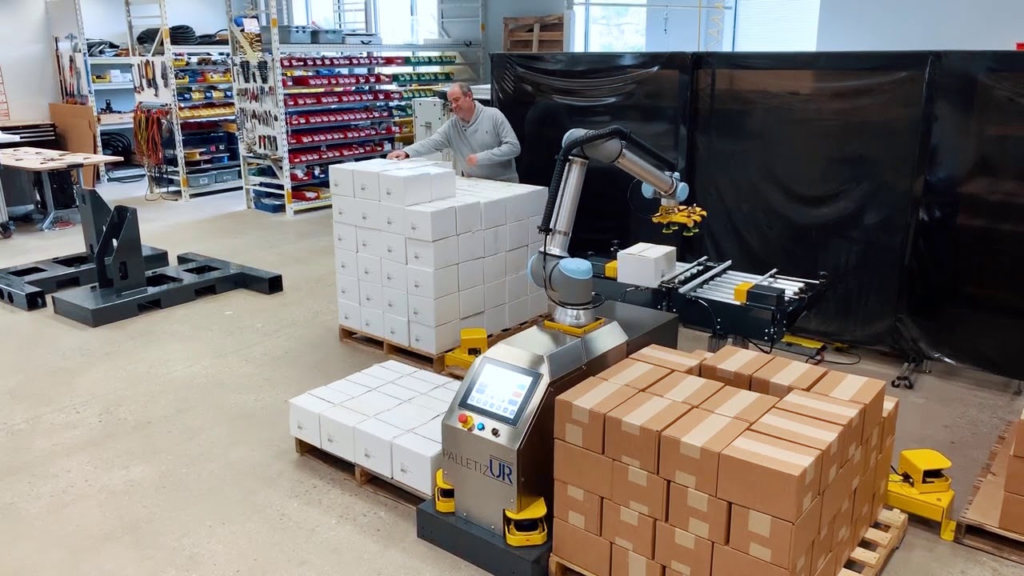
Furthermore, continuous technological upgrading is an important way to enhance long-term efficiency. With the development of artificial intelligence, big data, and robotics, new technologies such as collaborative robots and digital twins are being increasingly applied to automated packaging lines. Collaborative robots can work with human operators to handle complex packaging tasks, such as packaging irregularly shaped products, improving flexibility and efficiency. Digital twin technology constructs a virtual model of the production line, simulating equipment operation and production processes to predict potential problems and optimize process design before actual implementation, reducing trial-and-error costs and improving optimization efficiency.
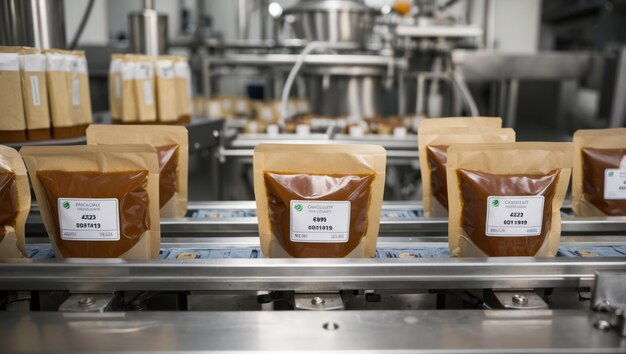
In conclusion, the efficiency of automated packaging production lines is a comprehensive indicator affected by equipment, processes, technology, materials, and personnel. Achieving high efficiency requires not only the selection of advanced and suitable equipment and rational process design but also the application of intelligent technologies, scientific material management, and professional personnel training. By establishing a continuous optimization mechanism and keeping pace with technological developments, enterprises can maximize the efficiency of automated packaging production lines, reduce production costs, improve product delivery speed, and gain a competitive advantage in the fierce market competition. In the future, with the deep integration of intelligent technologies and manufacturing, the efficiency of automated packaging lines will be further improved, bringing greater value to the development of the manufacturing industry.

Custom Packaging, Crafted for Your Brand
Tailored designs, quality builds, and hassle-free service. Start your custom packaging journey now!