In an era of oversaturated markets and intense competition, brand differentiation has become the cornerstone of long-term business success. Consumers are no longer satisfied with mere product functionality; they seek emotional connections, memorable experiences, and distinct identities that resonate with their values. Among the myriad strategies to achieve this, custom packaging design stands out as a tangible, impactful tool that bridges the gap between a brand’s core values and consumer perception. It is not merely a protective container but a silent brand ambassador, capable of cutting through market noise, reinforcing brand identity, and fostering lasting customer loyalty.
The Strategic Role of Custom Packaging in Brand Differentiation
Brand differentiation is the process of creating a unique, recognizable identity that sets a brand apart from its competitors, making it more appealing to target audiences. Custom packaging design plays a pivotal role in this process by translating intangible brand values—such as sustainability, luxury, playfulness, or authenticity—into a physical, sensory experience. Unlike generic, one-size-fits-all packaging, custom designs are tailored to align with a brand’s personality, target demographic, and strategic goals, ensuring that every interaction with the product reinforces the brand’s unique selling proposition.
Custom packaging serves as the first physical touchpoint between a brand and its consumers, making it a critical “moment of truth” that shapes initial perceptions. Research shows that 72% of consumers admit that packaging design influences their purchasing decisions, while 83% of luxury consumers are willing to pay a 15% premium for packaging with unique design and superior texture. This underscores the fact that packaging is no longer an afterthought; it is a strategic asset that directly impacts brand recognition, perceived value, and purchase intent.
Key Principles of Effective Custom Packaging Design for Differentiation
To leverage custom packaging for meaningful brand differentiation, brands must adhere to core principles that balance aesthetics, functionality, and brand alignment. These principles ensure that the packaging not only stands out visually but also delivers on consumer expectations and reinforces the brand’s identity.
1. Align Design with Brand Identity and Values
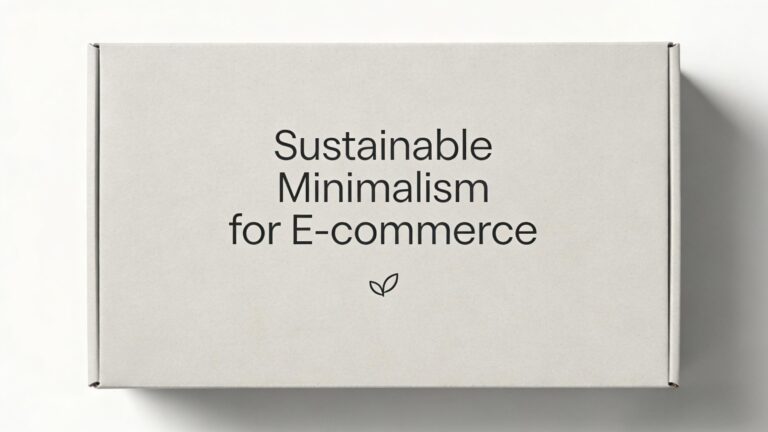
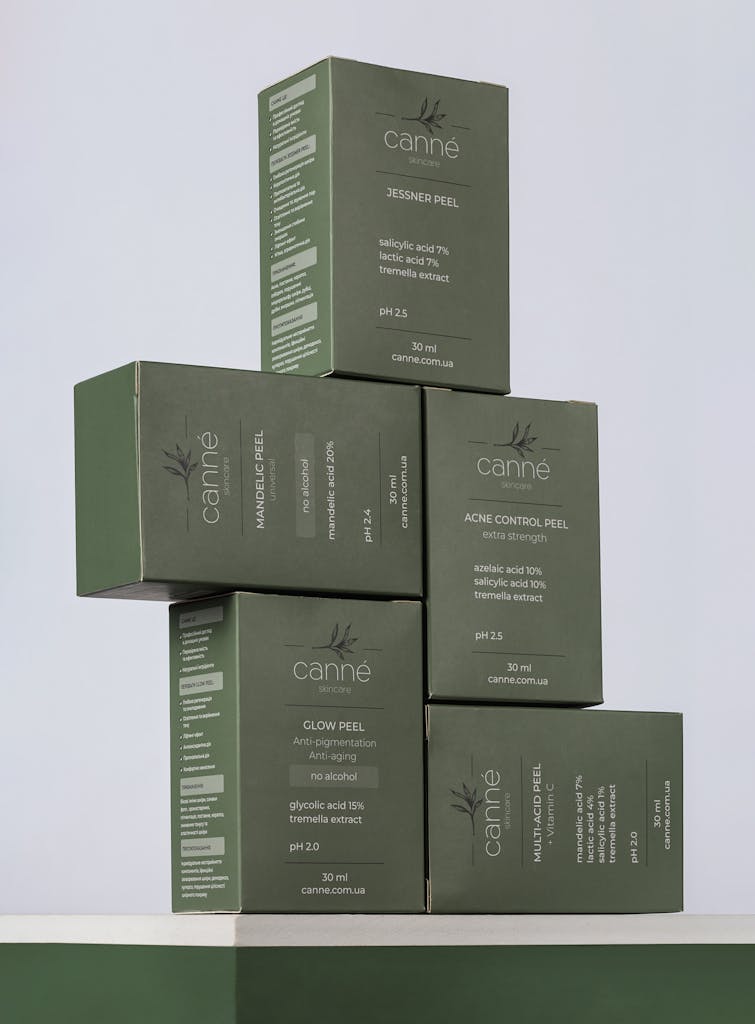
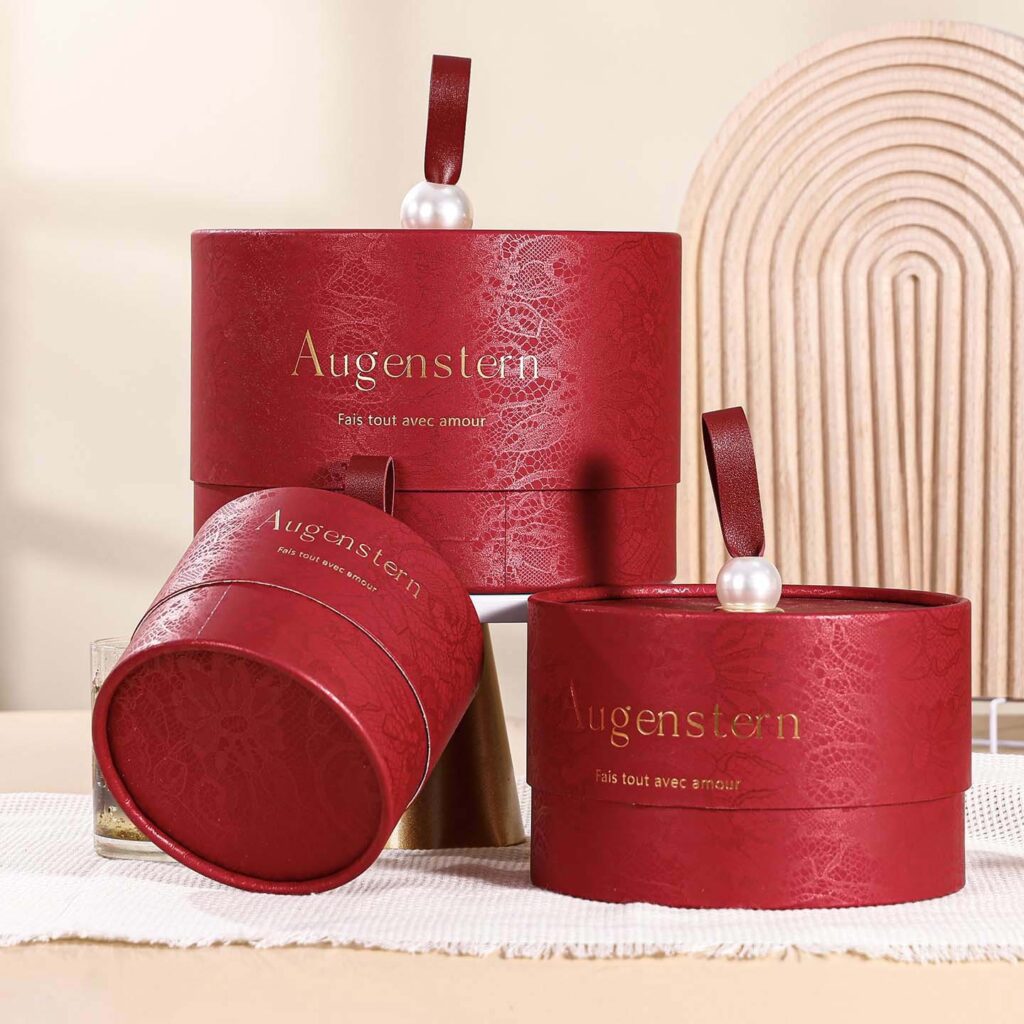
The most effective custom packaging designs are rooted in a clear understanding of the brand’s core values and identity. Every element—from color palettes and typography to materials and structural design—should reflect what the brand stands for. For example, a brand focused on sustainability might use recycled or compostable materials, minimalist design, and earthy tones to communicate its commitment to environmental responsibility. Conversely, a luxury brand might opt for high-quality materials, intricate finishes like embossing or foil stamping, and a sleek, sophisticated design to convey exclusivity and elegance.
Misalignment between packaging design and brand identity can confuse consumers and dilute differentiation efforts. For instance, a budget-friendly brand using overly ornate, expensive packaging may create a disconnect between perception and reality, while a premium brand using generic, low-quality packaging may undermine its luxury positioning.
2. Prioritize Sensory and Experiential Design
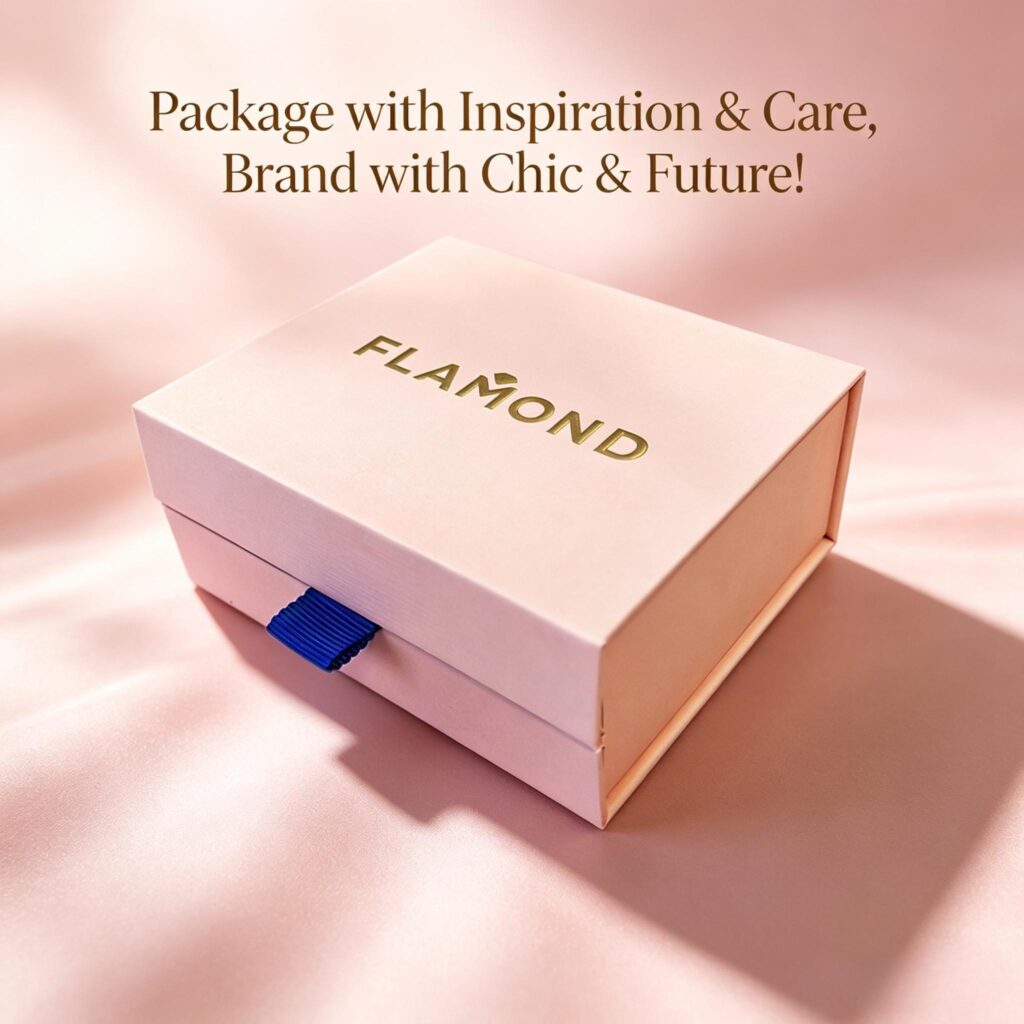
In today’s experience-driven market, consumers crave sensory interactions that create lasting memories. Custom packaging design can tap into this by incorporating tactile, visual, and even auditory elements that engage multiple senses. Textured materials, unique structural designs (such as drawer boxes or magnetic closures), and thoughtful unboxing sequences can transform a routine product unboxing into a memorable experience.
The unboxing experience has become a powerful marketing tool, particularly in the age of social media. Brands that design packaging with shareability in mind—such as visually striking designs, personalized elements, or hidden surprises—encourage consumers to share their experiences online, generating organic brand exposure and word-of-mouth marketing. A notable example is Glossier, whose iconic pink bubble pouch has become a symbol of the brand’s identity, fostering a sense of community and driving widespread social sharing.
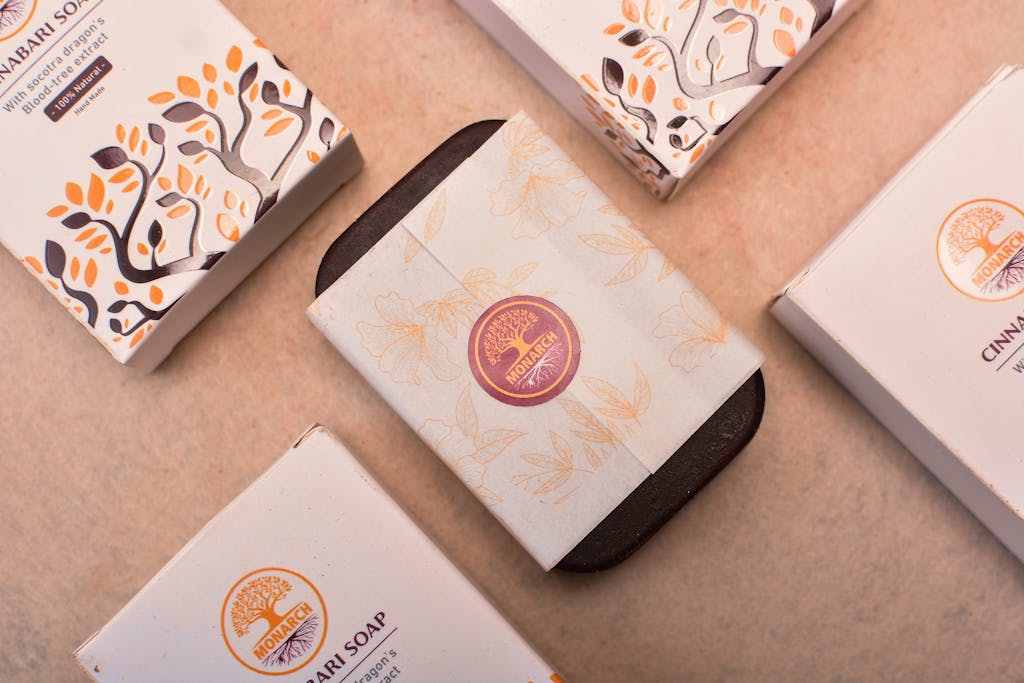
3. Embrace Flexibility and Agility with Small-Batch Customization
Gone are the days when custom packaging required large minimum order quantities, making it inaccessible to small and mid-sized brands. Advances in digital printing and flexible manufacturing have made small-batch customization feasible, allowing brands to test designs, iterate quickly, and adapt to changing market trends without incurring excessive costs or inventory risk.
Small-batch custom packaging enables brands to experiment with limited-edition designs, regional variations, or personalized elements, creating a sense of exclusivity and urgency. For example, a new tea brand might launch a small batch of custom packaging featuring seasonal motifs or collaboration designs, allowing it to test consumer response and refine its approach before scaling up. This agility not only reduces risk but also keeps the brand fresh and relevant in a dynamic market.
4. Integrate Sustainability as a Differentiator
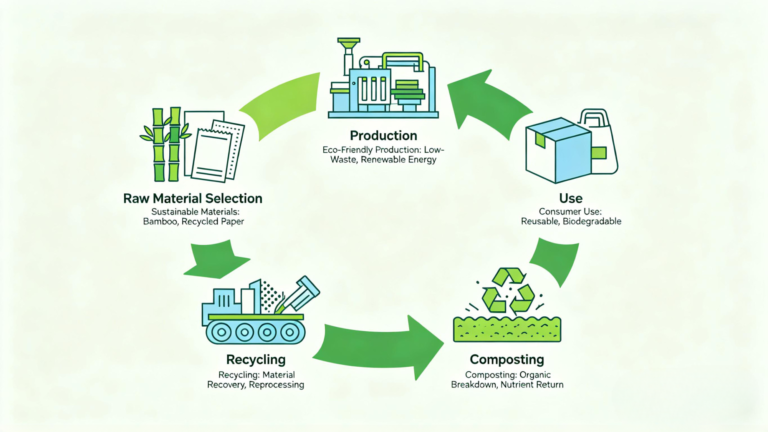
Sustainability has evolved from a niche trend to a core consumer expectation, making it a key differentiator in packaging design. Brands that prioritize eco-friendly custom packaging—such as using recycled materials, biodegradable finishes, or minimalist designs that reduce waste—not only appeal to environmentally conscious consumers but also demonstrate corporate social responsibility.
Sustainable custom packaging does not mean compromising on aesthetics or functionality. Modern eco-friendly materials can be just as visually appealing and durable as traditional options, and brands can use sustainability as a storytelling tool to connect with consumers on a deeper level. For example, a beauty brand might use PCR recycled plastic for its custom lip gloss tubes, highlighting this choice on the packaging to communicate its commitment to reducing environmental impact.
5. Leverage Technology to Enhance Differentiation
Technology is reshaping custom packaging design, offering new ways to create unique, interactive experiences that set brands apart. QR codes, augmented reality (AR) layers, and smart packaging elements can transform static packaging into a dynamic touchpoint, providing consumers with additional value—such as product information, personalized content, or loyalty rewards.
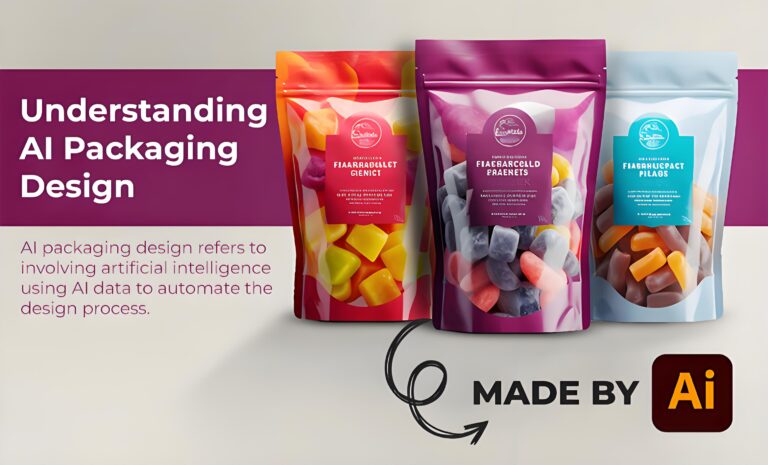
AR-enabled custom packaging, for instance, allows consumers to scan the package with their smartphones to access virtual try-ons, behind-the-scenes content, or interactive brand stories. This not only enhances the consumer experience but also creates a memorable, shareable moment that strengthens brand differentiation. Additionally, AI-powered design tools are streamlining the customization process, enabling brands to generate design variations quickly and tailor packaging to specific audience segments.
Real-World Examples of Custom Packaging Driving Differentiation
Numerous brands have successfully leveraged custom packaging design to stand out in crowded markets, demonstrating the power of this strategy in action.
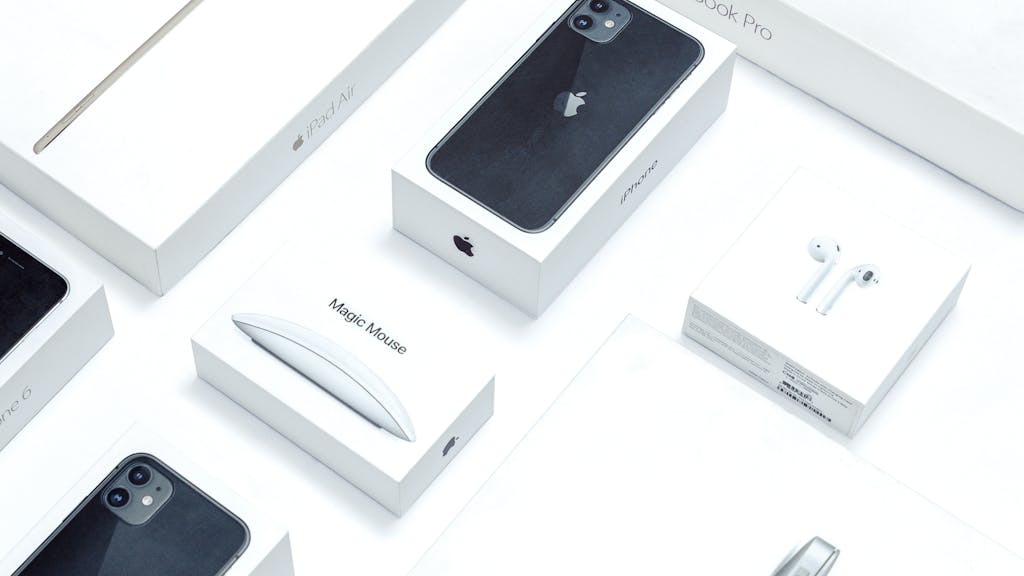
Apple’s minimalist custom packaging is a masterclass in brand alignment and experiential design. The clean, white boxes, precise fit, and high-quality materials reflect the brand’s focus on simplicity, innovation, and luxury. The deliberate unboxing sequence—from the magnetic closure to the neatly arranged components—creates a sense of anticipation and premium quality, reinforcing Apple’s position as a design-centric brand.
Cadbury India used custom packaging to connect with local consumers during Diwali, launching personalized chocolate boxes with customers’ names and festive designs. This approach transformed a simple product into a personalized, emotional gift, driving sales growth and increasing social engagement in a saturated market. The custom packaging not only differentiated Cadbury from competitors but also strengthened its emotional connection with consumers.
Challenges and Best Practices for Implementation
While custom packaging offers significant differentiation benefits, brands may face challenges such as cost constraints, production complexity, and maintaining consistency across product lines. To overcome these challenges, brands should partner with experienced packaging manufacturers that offer end-to-end solutions—from design and prototyping to production and delivery. This ensures that the custom packaging is not only visually appealing but also feasible to produce at scale, within budget, and in line with brand standards.
Another key best practice is to prioritize data-driven design. By analyzing consumer feedback, market trends, and sales data, brands can refine their custom packaging strategies to better align with consumer preferences. For example, if data shows that consumers prefer reusable packaging, brands can incorporate this element into their design to enhance differentiation and sustainability.
Additionally, brands should ensure consistency across all touchpoints. Custom packaging should align with other brand assets—such as logos, marketing materials, and digital presence—to create a cohesive brand experience. Inconsistency in design can confuse consumers and weaken the brand’s unique identity.
Conclusion
In a market where consumers are bombarded with choices, custom packaging design has emerged as a critical tool for brand differentiation. It is more than just a container; it is a strategic asset that communicates brand values, creates memorable experiences, and fosters emotional connections with consumers. By aligning design with brand identity, prioritizing sensory experiences, embracing flexibility, integrating sustainability, and leveraging technology, brands can create custom packaging that stands out, resonates with target audiences, and drives long-term success.
As the packaging industry continues to evolve, brands that invest in thoughtful, consumer-centric custom packaging will be better positioned to differentiate themselves, build loyalty, and thrive in an increasingly competitive landscape. Custom packaging is no longer a luxury—it is a necessity for brands looking to make a lasting impression and secure a competitive edge.

Custom Packaging, Crafted for Your Brand
Tailored designs, quality builds, and hassle-free service. Start your custom packaging journey now!