Introduction
The U.S. Food and Drug Administration (FDA) regulates all packaging products imported into the United States based on their end-use classification, split into three core categories: food-contact packaging, cosmetic packaging, and pharmaceutical/medical packaging. Imported packaging is governed by the Federal Food, Drug, and Cosmetic Act (FD&C Act), the Food Safety Modernization Act (FSMA), Title 21 Code of Federal Regulations (21 CFR), and supplementary mandates including the Fair Packaging and Labeling Act (FPLA) and the Modernization of Cosmetics Regulation Act (MoCRA) of 2022.
This article outlines mandatory FDA compliance standards, material safety rules, import filing procedures, documentation obligations, labeling specifications, and enforcement penalties for overseas packaging manufacturers, importers, and brand owners. All content follows official FDA scientific guidance, focuses on actionable compliance priorities, and excludes redundant theoretical background.
1. Core Regulatory Classification of Imported Packaging
FDA divides imported packaging by intended contact substance, with distinct compliance thresholds for each group:
1.1 Food-contact packaging (highest regulatory scrutiny)
Any carton, plastic container, paper box, film, adhesive, coating, or liner that touches food, beverages, dietary supplements, or edible ingredients qualifies as indirect food additives under FD&C Act §409. Covered materials include kraft paper boxes, PET jars, PP food trays, aluminum foil bags, PLA biodegradable packaging, and printed inner liners.
1.2 Cosmetic packaging
Packaging for skincare, makeup, hair care, and fragrance products is regulated under MoCRA and 21 CFR Part 700–701. FDA controls two dimensions: packaging material chemical safety and mandatory outer labeling format. Unlike food packaging, cosmetic containers are not classified as food contact substances but must avoid toxic migration into cosmetic formulations.
1.3 Pharmaceutical & medical device packaging
Rigid/soft packaging for over-the-counter (OTC) drugs, prescription medications, and medical devices falls under 21 CFR Part 210–211 cGMP rules. Importers must validate packaging barrier performance, extractable and leachable (E&L) test data, and full traceability records.
Critical Clarification
FDA does not issue official “FDA certification certificates” for packaging materials. All compliance relies on manufacturer self-attestation backed by laboratory test reports. Third-party printed “FDA certificates” provided by factories hold no legal weight during U.S. Customs detention or FDA inspection.

2. Mandatory Material Safety Standards
All packaging raw materials, colorants, printing inks, adhesives, and surface coatings must meet FDA substance approval pathways and chemical migration limits. Three legal pathways qualify packaging materials for U.S. import:
2.1 GRAS (Generally Recognized As Safe)
Substances proven safe by peer-reviewed scientific consensus, listed in FDA GRAS inventories. Common GRAS materials include uncoated food-grade paper, virgin polyethylene, soda-lime glass, and food-grade stainless steel.
2.2 Listed Substances in 21 CFR Parts 175–178
Material-specific CFR sections define permitted resins, additives, and usage limits:
Paper & paperboard packaging: 21 CFR 176.170 (aqueous/fatty food contact), 21 CFR 176.180 (dry food contact)
Plastic polymers: 21 CFR 177.1520 (PE), 21 CFR 177.1630 (PET), 21 CFR 177.1550 (PP)
Adhesives, coatings, printing inks: 21 CFR 175.105, 21 CFR 178.3297 (approved colorants)
2.3 FCN (Food Contact Substance Notification)
Novel food-contact materials not covered by GRAS or CFR listings require manufacturers to submit an FCN dossier to FDA, including toxicology reports, migration test data, and intended-use conditions. Approved FCNs apply only to the submitting manufacturer and downstream buyers purchasing their raw materials.
2.4 Non-Negotiable Scientific Migration & Contaminant Limits
FDA’s core safety principle prohibits packaging from transferring hazardous chemicals to contained goods under foreseeable storage, heating, and shelf-life conditions:
Total Migration Limit (TML)
General threshold ≤10 mg/dm² for food-contact plastics, tested with FDA-standard food simulants (10% ethanol, 3% acetic acid, olive oil) matching product pH, fat content, and temperature exposure.
Restricted Heavy Metals
Lead ≤0.5 ppm, cadmium ≤0.1 ppm for plastic packaging; ceramic/glass food containers enforce strict lead/cadmium leaching caps under 21 CFR 175.300.
Banned Substance Controls
Voluntary nationwide ban on BPA for infant food packaging; strict PFAS (forever chemical) prohibitions for single-use food paper packaging starting 2026; limited phthalate concentrations for cosmetic plastic containers.
Special PET Packaging Rule
Virgin PET bottles for food/cosmetics require residual acetaldehyde ≤3 ppm to prevent odor and chemical leaching into liquid formulations.
2.5 GMP Production Mandates (FSMA §117)
Overseas packaging factories producing food-contact packaging must implement preventive control GMPs: sanitized production zones, raw material incoming inspection, cross-contamination separation, batch traceability, and finished product testing records. Importers must collect a Qualified Supplier Attestation (QSA) from foreign manufacturers to confirm GMP compliance before shipment. Failure to maintain QSA records triggers automatic shipment detention under FDA Import Alert 99-08.

3. Import Filing & Customs Entry Requirements
All imported packaging shipments must complete electronic entry via U.S. Customs and Border Protection’s Automated Commercial Environment (ACE) system, linked to FDA’s import screening database under 21 CFR Part 1 Subpart D.
3.1 Mandatory Electronic Data Elements
Filers must submit packaging-specific PGA (Partner Government Agency) data record PG26, covering multi-layer packaging hierarchy: outer shipping cartons, primary retail boxes, inner plastic containers, and packaging material composition (paper, PET, aluminum, composite film). Required data fields include:
-Full foreign manufacturer name, factory address, and registration ID (if applicable)
-Exact packaging material composition and CFR regulatory references
-Total shipment quantity, unit measurement, and intended end-use statement
-Importer of record (IOR) U.S. physical address and contact information
3.2 Core Supporting Documentation for Customs Inspection
Importers must store and submit documents via the ITACS portal upon FDA request, retaining all records for a minimum of 2 years post-entry:
1.Commercial invoice, packing list, bill of lading/air waybill
2.Declaration of Compliance (DoC): Legally binding supplier statement confirming compliance with matching 21 CFR material standards, signed by the overseas factory’s quality manager
3.Accredited laboratory Certificate of Analysis (CoA): Migration, heavy metal, and restricted substance test reports from ISO 17025 certified labs
4.Qualified Supplier Attestation (QSA): Mandatory for all food-contact packaging suppliers under FSMA 117
5.Full labeling artwork drafts of finished packaging units
6.MoCRA facility registration and product listing proof (cosmetic packaging end-users)
3.3 Import Screening Outcomes
1.Release without examination: Shipment clears border if complete data and compliant documentation pass automated FDA risk screening.
2.Hold for documentation review: FDA requests supplementary test reports or supplier attestations within a fixed deadline. Missing documents result in detention.
3.Detention without physical examination (DWPE): Triggered by Import Alert listings, repeated non-compliance, or missing QSA records. Detained goods cannot enter U.S. commerce and face re-export or destruction orders at the importer’s cost.
4.Physical sampling & lab testing: FDA inspectors collect packaging samples for third-party chemical analysis. Failed test results trigger nationwide product recalls.

4. FDA Labeling Rules for Finished Retail Packaging
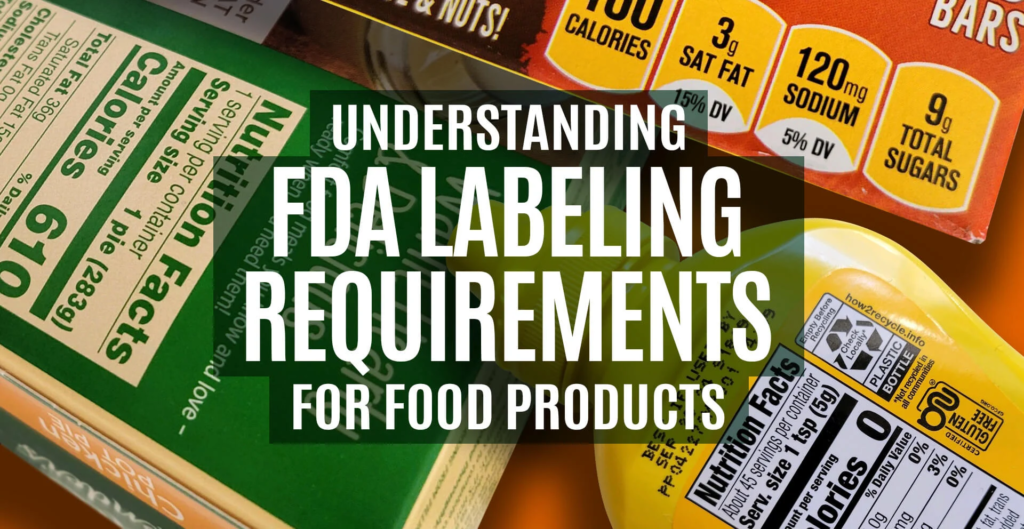
Label compliance applies to printed surfaces of all packaging units sold to U.S. consumers, enforced jointly by FDA and the Federal Trade Commission (FTC) under FPLA. Standards differ by packaging end-use:
4.1 Food & Supplement Packaging Label Mandates
1.Principal Display Panel (PDP): Clear product identity statement, net contents in dual U.S. customary + metric units (oz/mL, g/lb) in the lower 30% of front panel text area.
2.Information Panel: Full ingredient list, manufacturer/importer U.S. address, storage instructions, and allergen warning statements.
3.Font size rules: Net quantity text must be legible with minimum height proportional to the PDP surface area.
4.2 Cosmetic Packaging Label Rules (MoCRA Updated)
1.PDP requirements: Common cosmetic identity name, dual-unit net volume labeling.
2.Mandatory back-panel disclosures: U.S. responsible person name and physical address; full ingredient INCI list sorted alphabetically.
3.Drug claim restriction: If packaging text includes therapeutic claims (“anti-aging treatment,” “acne repair”), the product reclassifies as an OTC drug, requiring additional FDA monograph compliance and registration fees.
4.3 Universal Packaging Label Prohibitions
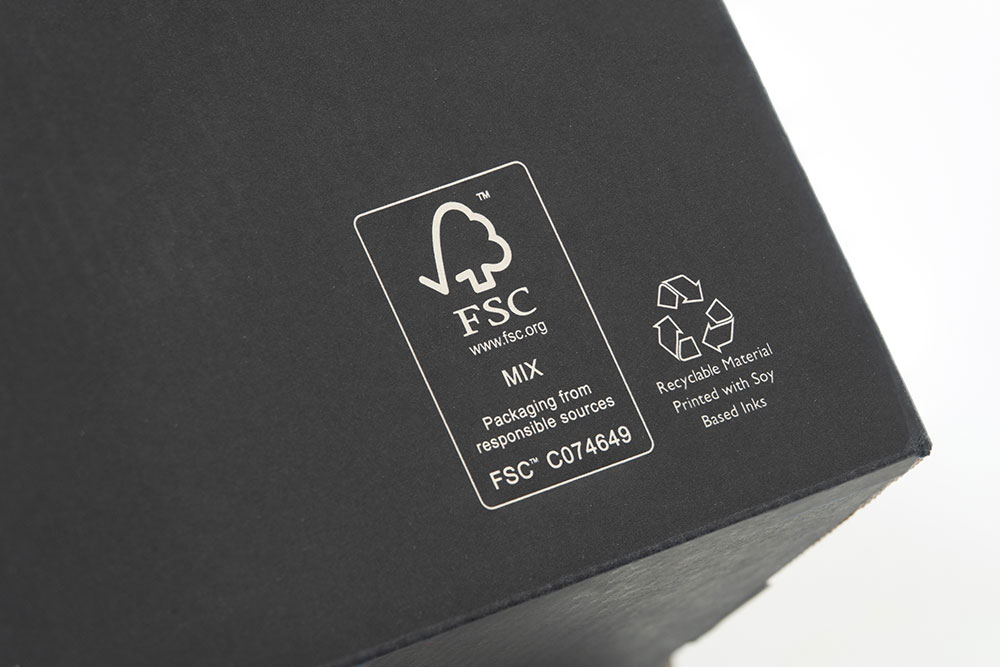
-Unsubstantiated safety claims such as “FDA-approved packaging” (FDA does not approve packaging materials)
-Misleading sustainability statements (“100% food-safe”) without supporting lab data
-Hidden text, blurry fonts, or obscured mandatory information on small mini packaging formats
5. Cosmetic & Pharmaceutical Packaging Supplementary Obligations
5.1 Cosmetic Packaging (MoCRA 2022 Full Implementation)
While packaging factories themselves do not need FDA registration, U.S. brand owners using imported cosmetic containers must complete two mandatory filings:
- Manufacturing Facility Registration (Form FDA 5066): Biennial renewal required for all domestic or overseas cosmetic production facilities. Small brands with annual sales below $1 million qualify for registration exemption but retain safety substantiation duties.
- Cosmetic Product Listing (Form FDA 5067): List every SKU packaged in imported containers within 120 days of market launch. Brand owners must maintain a Product Safety Substantiation Dossier (PSSD) including packaging leaching test data, available for FDA onsite inspection upon request. Adverse event reports linked to packaging irritation or contamination must be submitted within 15 business days of discovery.
5.2 Pharmaceutical Packaging cGMP Rules
Importers of drug-contact packaging must provide full extractables and leachables (E&L) study reports demonstrating no packaging chemical interference with drug stability. Packaging batch records must link each container lot number to corresponding drug production batches for full supply chain traceability under 21 CFR Part 211.

6. Conclusion
Imported packaging compliance with U.S. FDA rules centers on three foundational pillars: verified material chemical safety, complete import traceability documentation, and standardized consumer labeling. Importers and overseas packaging manufacturers must recognize FDA’s risk-based enforcement model—food-contact packaging faces the strictest oversight, followed by cosmetic and pharmaceutical containers.
As FSMA and MoCRA enforcement intensifies through 2026, supply chain stakeholders can no longer rely on generic third-party “FDA certificates.” Sustained compliance requires standardized supplier attestations, regular laboratory testing, and systematic record retention. Aligning packaging design, raw material selection, and factory production controls with 21 CFR scientific standards eliminates border detention risks, costly recalls, and regulatory fines for cross-border packaging shipments to the United States.

Custom Packaging, Crafted for Your Brand
Tailored designs, quality builds, and hassle-free service. Start your custom packaging journey now!