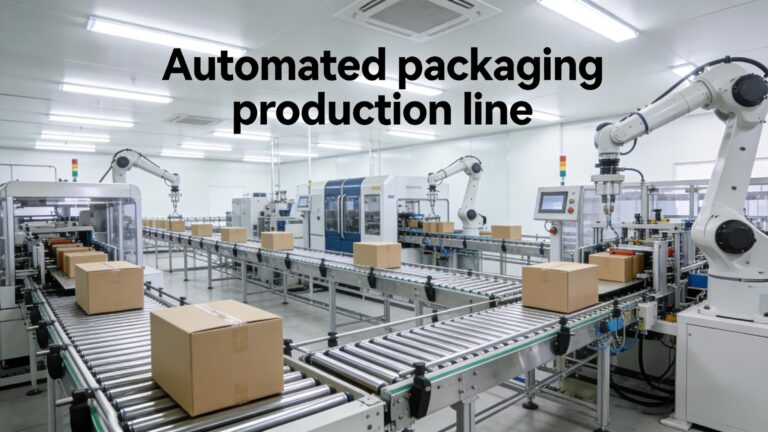
In an era of growing environmental awareness and stringent global regulations, sustainable packaging manufacturing has evolved from an optional practice to a core industry requirement. These processes prioritize reducing environmental impact throughout the entire lifecycle of packaging—from raw material selection to production, use, and end-of-life disposal—while maintaining functionality, safety, and cost-effectiveness. Below are the key processes, technologies, and principles that define modern sustainable packaging manufacturing.
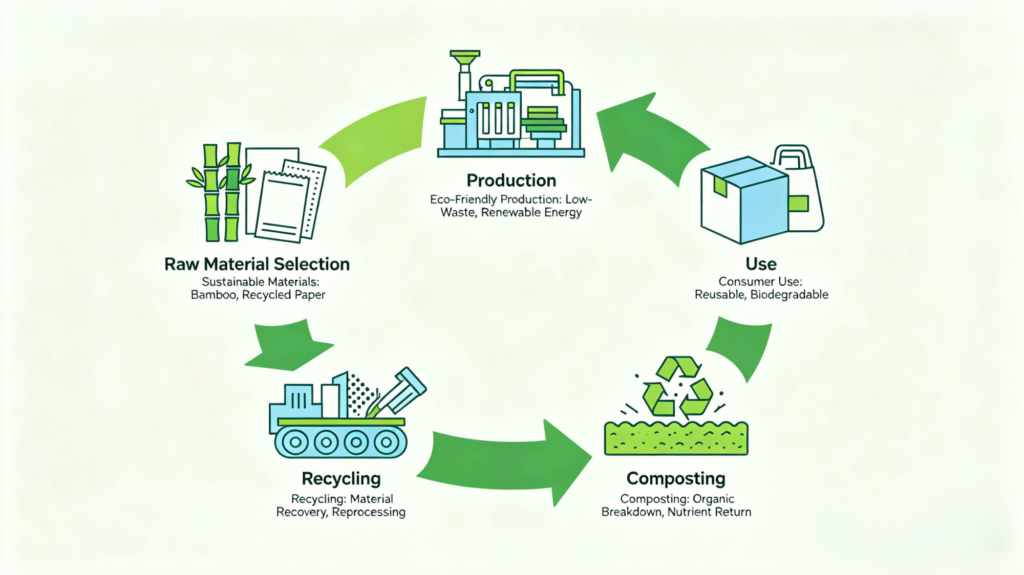
1. Sustainable Raw Material Selection: The Foundation of Green Manufacturing
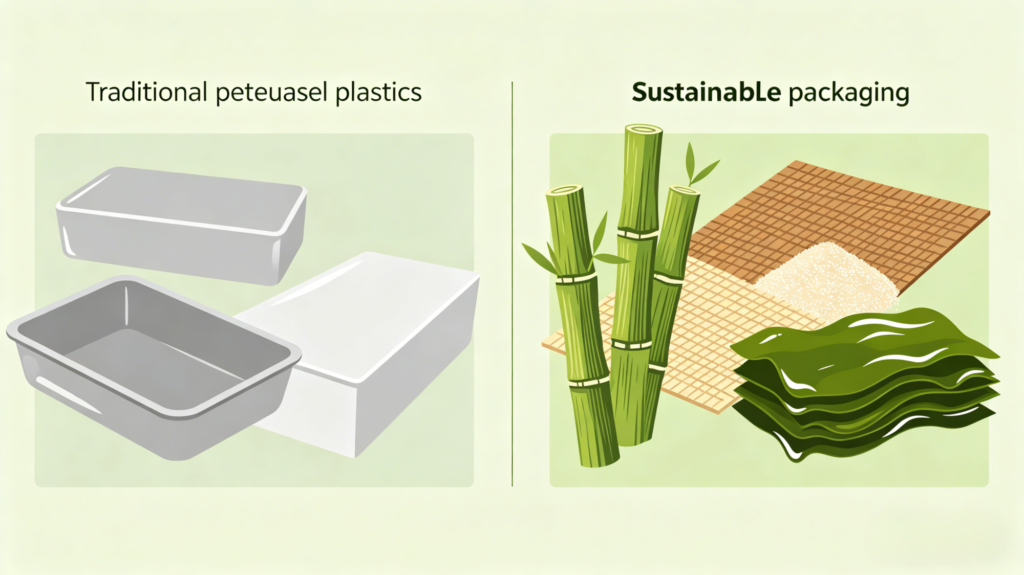
The first step in sustainable packaging manufacturing lies in choosing eco-friendly raw materials that minimize resource depletion and pollution. Unlike traditional petroleum-based plastics, sustainable materials are either renewable, recyclable, or biodegradable:
- Renewable Materials: Derived from renewable resources like plant biomass, including bamboo, sugarcane fiber, cornstarch, and seaweed-based coatings. These materials reduce reliance on non-renewable fossil fuels and often have a lower carbon footprint, as plants absorb CO₂ during growth.
- Recycled Materials: Repurposed post-consumer or post-industrial waste, such as recycled paperboard, plastic, and metal. Using recycled materials reduces landfill waste and energy consumption—for example, recycling plastic requires 70% less energy than producing virgin plastic.
- Biodegradable Materials: Materials like PHA (polyhydroxyalkanoates) and modified PLA that break down naturally in soil or marine environments within months, eliminating persistent microplastic pollution. Advanced options, such as mushroom mycelium packaging, are even grown rather than manufactured, further reducing environmental strain.
2. Core Manufacturing Processes: Efficiency and Emission Reduction
Sustainable manufacturing processes focus on minimizing energy use, waste, and harmful emissions while optimizing production efficiency. Key technologies and practices include:
- Lean Manufacturing: Eliminating waste in production through precise process control. Tighter trim tolerances and reduced startup rejects, for instance, cut down on scrap and material waste during each production run.
- Clean Production Technologies: Replacing toxic chemicals with eco-friendly alternatives—such as water-based inks and plant-based adhesives—to reduce VOC (volatile organic compound) emissions. Digital printing also minimizes ink waste by enabling on-demand, precise printing without the need for traditional plates.
- Energy Optimization: Using renewable energy sources to power production lines, reducing reliance on fossil fuels. Energy-efficient machinery and heat recovery systems further lower carbon emissions, aligning with global “net-zero” goals.
- Lightweighting and Right-Sizing: Designing packaging to use the minimum amount of material necessary while maintaining product protection. Lightweighting reduces raw material consumption and transportation emissions, while right-sizing minimizes excess space, improving shipping efficiency and cutting freight-related carbon footprints.
3. End-of-Life Considerations: Closing the Circular Loop
Sustainable packaging manufacturing does not end with production—it extends to ensuring packaging can be recycled, reused, or composted, creating a circular economy:
- Design for Recyclability: Creating packaging with single materials or easily separable components to simplify recycling. Avoiding mixed materials eliminates barriers to recycling and ensures materials can be efficiently repurposed.
- Compostable Packaging Processes: Producing packaging that decomposes into organic matter, suitable for home or industrial composting. Seaweed-based coatings, for example, biodegrade in 4-8 weeks, offering a faster and more eco-friendly alternative to traditional plastics.
- Reusable Packaging Systems: Manufacturing durable, multi-use packaging (e.g., glass jars, metal containers) that reduces single-use waste. Some brands also implement take-back programs to collect and sanitize packaging for repeated use, closing the loop on resource consumption.

4. Industry Significance and Practical Benefits
Adopting sustainable packaging manufacturing processes is not only an environmental imperative but also a strategic advantage for businesses. It helps meet global regulations (such as EU CBAM and China’s “double carbon” goals), aligns with consumer demand for eco-friendly products, and reduces long-term costs by cutting material and energy use. Additionally, it enhances brand reputation and ensures compliance with green supply chain requirements from major retailers and brands.
As technology advances, sustainable packaging manufacturing continues to innovate—from nano-cellulose coatings that improve material performance to 3D printing that minimizes waste. By integrating these processes, the packaging industry can reduce its environmental footprint while supporting a more sustainable, circular future.

Custom Packaging, Crafted for Your Brand
Tailored designs, quality builds, and hassle-free service. Start your custom packaging journey now!