In the fast-paced e-commerce ecosystem, packaging has evolved from a mere protective tool to a core touchpoint between brands and consumers, a carrier of ESG commitments, and a key factor affecting supply chain efficiency. As 2026 unfolds, minimalist packaging design has transcended being a temporary aesthetic trend to become a strategic choice for e-commerce brands seeking cost optimization, brand differentiation, and sustainable development. Unlike the misunderstanding of “simplicity equals shabbiness“, minimalist packaging for e-commerce is a scientific design concept that emphasizes “precision, efficiency, and harmony” — using the least resources to achieve the best protection, the most intuitive brand expression, and the most comfortable user experience. This article explores the core connotation, industry trends, practical strategies of minimalist e-commerce packaging, and how Chic Package’s OEM/ODM customization services help brands turn this design concept into market competitiveness.
The Core Value of Minimalist Packaging in E-commerce: Beyond Aesthetics
Minimalist packaging design for e-commerce is driven by multiple demands from brands, consumers, and the market, and its value is reflected in three dimensions: cost control, user experience, and brand positioning, which are mutually reinforcing and form a sustainable development closed loop.
From the perspective of cost control, minimalist packaging directly addresses the pain points of e-commerce brands being “invisibly eroded by packaging costs“. A large number of industry practices show that over-packaging not only increases the cost of raw materials but also leads to higher logistics and warehousing costs — every extra layer of packaging or unnecessary component will increase transportation weight and occupy storage space, especially for e-commerce intensive industrial belts such as Yiwu small commodities, Shenzhen 3C electronics, and Jiangsu-Zhejiang-Shanghai clothing, where the cumulative impact of marginal costs is particularly obvious. Minimalist packaging solves this problem through structural optimization and material simplification: adopting integrated forming structures to reduce redundant components, selecting high-strength and lightweight materials to reduce weight and volume, and using standardized sizes to improve warehousing and transportation efficiency, ultimately helping brands reduce overall packaging costs by 30% to 50% in practice.
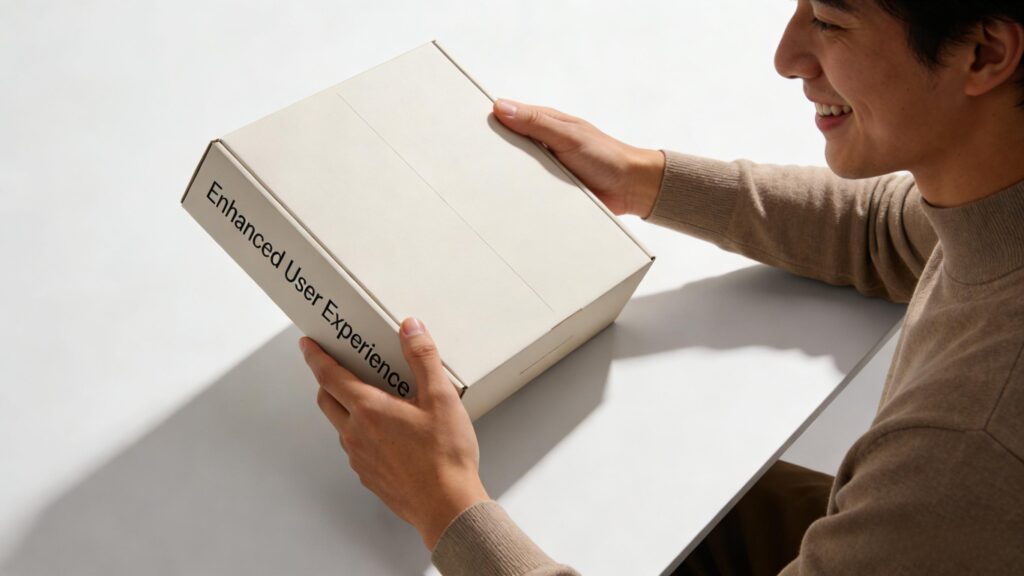
In terms of user experience, minimalist packaging caters to the consumption psychology of modern consumers, especially the Z generation. A 2026 consumer survey in major global e-commerce markets shows that nearly 70% of consumers prefer products with streamlined packaging and clear recyclable labels, and they are more willing to share well-designed minimalist packaging on social media, bringing free UGC communication opportunities for brands. Unlike over-packaging that requires complex disassembly, minimalist packaging focuses on convenience and ritual sense: easy-to-tear zippers, magnetic buckles, and other user-friendly opening methods improve the unpacking experience, while the abandonment of excessive decorations allows consumers to focus more on the product itself. For example, Nike’s “One Box” design abandons the traditional double-box structure, integrates the product box and shipping box into one, reducing 51% of waste per online purchase while ensuring transportation safety, which has been highly recognized by consumers.
In terms of brand positioning, minimalist packaging has become an important carrier for brands to convey their core values. For e-commerce brands focusing on environmental protection, minimalism and sustainability are naturally linked — using recyclable single materials, reducing disposable fillers, and printing environmental prompts on packaging can intuitively reflect the brand’s ESG commitments. For high-end e-commerce brands such as cosmetics and premium food, minimalist packaging with high-quality materials and exquisite craftsmanship can highlight the brand’s sense of premium without being gaudy. For small and medium-sized e-commerce sellers, a unified and minimalist packaging style can also form a unique visual identity, helping brands stand out in the homogeneous market. A case study of a Yiwu Taobao store shows that after upgrading to minimalist packaging, the store’s monthly orders doubled, and the number of buyer shows with “exquisite packaging” keywords increased by 200%, effectively enhancing brand recognition.
2026 Key Trends of Minimalist E-commerce Packaging: Precision, Sustainability and Flexibility
With the continuous maturity of the e-commerce industry and the upgrading of consumer demands, minimalist packaging design in 2026 presents three clear development trends, which provide clear directions for brands to practice minimalist packaging.
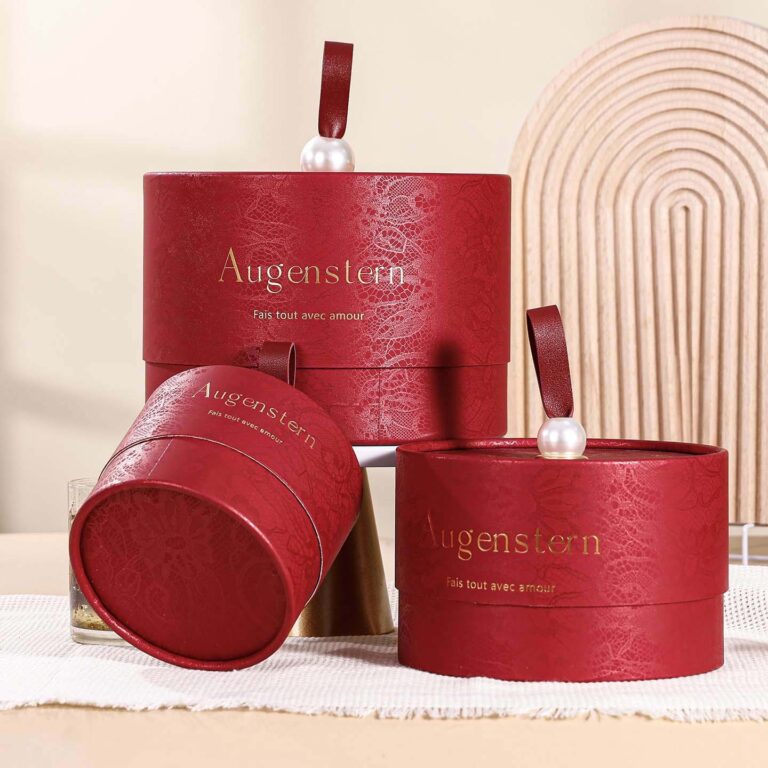
The first trend is precision design, which emphasizes “function as aesthetics“. The core of minimalist packaging in 2026 is no longer blind subtraction, but targeted design based on product characteristics. In terms of structure, integrated forming or easy-to-assemble structures are adopted to reduce unnecessary components, and precise internal fixing structures are designed according to product size and fragility to replace traditional foam and bubble film fillers. In terms of vision, large-area white space is used, and monochrome or two-color printing with environmentally friendly ink is adopted to highlight the brand logo and core information, avoiding complex patterns that distract consumers. In terms of materials, the principle of “material simplicity and suitability” is followed: for ordinary clothing and daily necessities, high-hardness and lightweight F-flute or E-flute corrugated paper is preferred; for high-value 3C products, a combination of B-flute corrugated paper and fine-flute liners is recommended; for high-end gift boxes, 157g double copper paper mounted with 2.5mm gray board or special paper such as leather-like paper is selected to enhance texture through simple craftsmanship such as hot stamping and embossing.
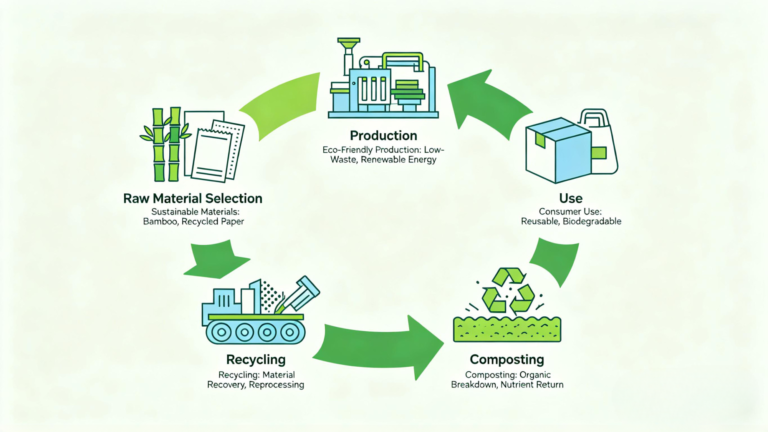
The second trend is deep integration of sustainability and practicality. Environmental protection is no longer a “buzzword” for minimalist packaging, but a core requirement that runs through the entire design and production process. Single-material packaging (such as all PE or all PP express bags and cartons) has become mainstream because of its easy recyclability; plant-based films and water-soluble buffer materials are gradually applied to solve the environmental problems of traditional packaging materials. At the same time, sustainable design also pays attention to practicality — avoiding the situation where “environmental protection is at the cost of protection” through structural optimization. For example, using CAD software to simulate drop tests, strengthening key stress points, and selecting high-strength micro-corrugated paper to replace traditional thick corrugated paper can maintain protection while reducing material usage and weight. In addition, “reusable design” has become a new highlight: designing packaging boxes that can be converted into storage boxes or display racks extends the service life of packaging and enhances user stickiness.
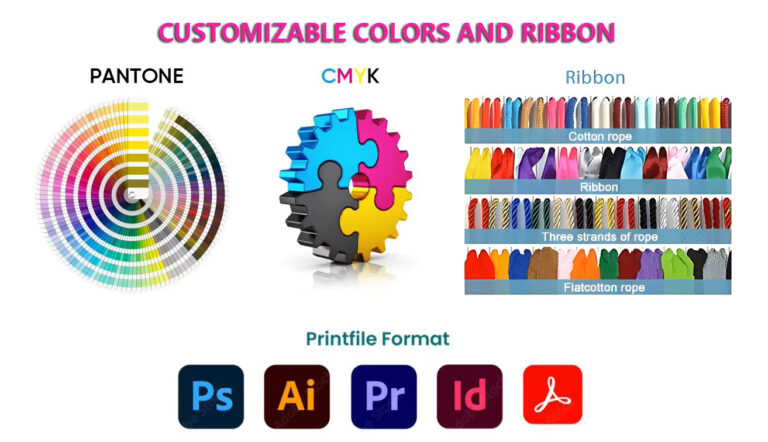
The third trend is flexible customization to adapt to the diversified needs of e-commerce. With the development of digital printing and flexible supply chain technology, the threshold for small-batch and personalized minimalist packaging customization has been greatly reduced, which is particularly suitable for e-commerce sellers with many SKUs and frequent new product launches. Brands can flexibly adjust packaging designs according to product categories, sales seasons, and marketing activities without bearing the pressure of large inventory. For example, small and medium-sized sellers can test the market with 10-20 samples first, and then mass-produce after confirming the effect; they can also design different layouts for different product series while sharing the basic box type to ensure the unity of the brand image and the diversity of product packaging. This flexible customization model not only reduces the trial-and-error cost of brands but also improves the flexibility of the supply chain, which has become an important support for brands to implement minimalist packaging.
Practical Implementation Path: How to Realize High-Quality Minimalist E-commerce Packaging
For e-commerce brands, realizing high-quality minimalist packaging requires not only a clear design concept but also close cooperation with professional packaging suppliers to solve the pain points of “difficult to balance protection and simplicity“, “high customization cost“, and “unstable supply chain“. In this process, Chic Package’s OEM/ODM customization services provide a one-stop solution for brands, helping them smoothly implement minimalist packaging strategies and convert design value into market competitiveness.
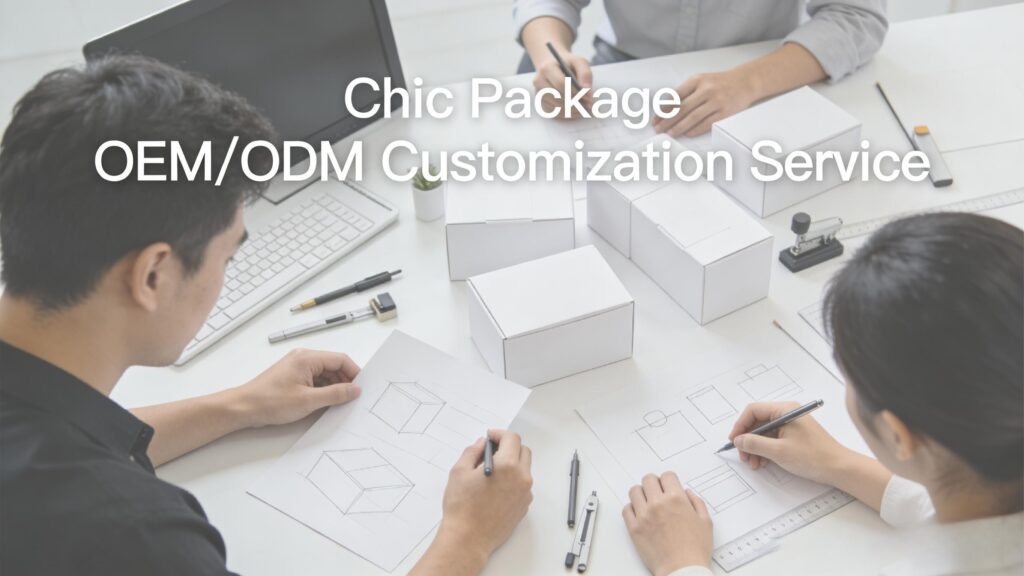
As a professional packaging customization service provider focusing on e-commerce minimalist packaging, Chic Package has rich industry experience and a mature supply chain system, and its OEM/ODM services cover the entire process from design consultation, sample proofing, mass production to logistics and after-sales, perfectly matching the core needs of brands for minimalist packaging. In the design stage, Chic Package’s professional R&D team combines the brand’s positioning, product characteristics, and market trends to provide personalized minimalist packaging design solutions — focusing on structural optimization to ensure protection and convenience, using environmentally friendly and high-quality materials to enhance texture, and adopting simple and elegant visual design to highlight the brand image. For brands that are not familiar with minimalist packaging design, the team can also provide professional guidance, help brands avoid the misunderstanding of “simplicity equals shabbiness”, and ensure that the designed packaging meets both aesthetic and practical needs.
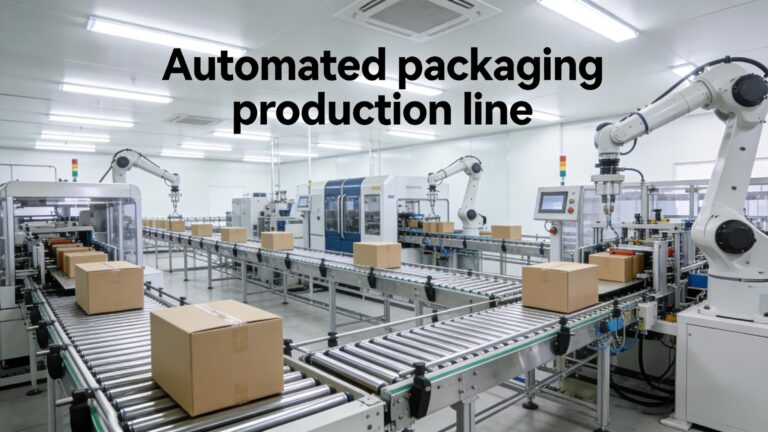
In the production stage, Chic Package relies on advanced production equipment (including automatic die-cutting machines, digital printing machines, and automatic assembly lines) and strict quality control systems to ensure the stability and consistency of product quality. For OEM services, Chic Package can produce according to the brand’s existing design drawings, strictly control the selection of materials, printing accuracy, and structural craftsmanship, and ensure that the products meet the brand’s standards; for ODM services, the team can independently complete the entire process from design, R&D to production, helping brands save R&D costs and shorten the launch cycle. In addition, Chic Package has a flexible production capacity, which can meet the customization needs of brands of different sizes — whether it is a large-batch order of millions of pieces for large e-commerce brands or a small-batch customization of dozens of pieces for small and medium-sized sellers, it can be delivered on time and with guaranteed quality. At the same time, the digital quotation system adopted by Chic Package allows brands to obtain accurate quotes and knife-edge diagrams within 3 seconds by inputting parameters such as size, material, and craftsmanship online, greatly improving the efficiency of proofing and procurement.
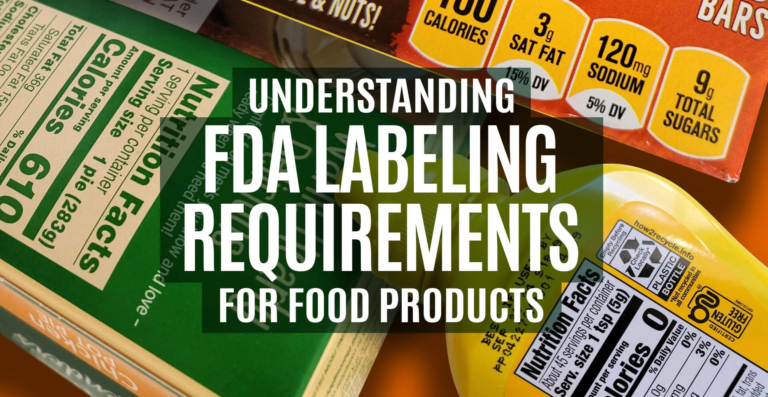
In terms of sustainability, Chic Package adheres to the concept of “environmental protection first” and integrates sustainable concepts into the entire OEM/ODM service process. The company selects FSC-certified recyclable materials, uses environmentally friendly ink that meets international standards, and adopts production processes that reduce waste and energy consumption, helping brands practice ESG commitments. For example, for e-commerce sellers of food and cosmetics, Chic Package can provide OEM/ODM customization services for food-grade minimalist packaging, using food-grade white cardboard or original kraft paper to ensure safety and environmental protection while highlighting the product’s texture; for 3C e-commerce brands, it can design minimalist packaging with integrated shockproof structures, reducing the use of disposable fillers and realizing the balance between environmental protection and protection.
In addition, Chic Package also provides personalized value-added services according to the needs of e-commerce brands, such as adding NFC/RFID tags to minimalist packaging to realize anti-counterfeiting traceability and inventory management, or designing variable data printing to generate unique IDs for each package to track user unpacking paths. These value-added services further extend the functional boundaries of minimalist packaging, help brands improve operational efficiency, and enhance the competitiveness of products in the e-commerce market.
Conclusion: Minimalist Packaging — The Core Competitiveness of E-commerce Brands in 2026
In 2026, as the e-commerce market becomes increasingly competitive and consumers’ environmental awareness and aesthetic needs continue to upgrade, minimalist packaging design has become an inevitable choice for brands to achieve high-quality development. It is not only a design style but also a business philosophy that integrates cost control, user experience, and sustainable development, helping brands reduce costs, enhance brand image, and gain consumer recognition in the fierce market competition.
For e-commerce brands, the key to realizing the value of minimalist packaging lies in finding a professional and reliable customization partner. Chic Package’s OEM/ODM customization services, with their professional design capabilities, flexible production capacity, strict quality control, and sustainable concepts, provide a strong guarantee for brands to implement minimalist packaging strategies. Whether it is a large e-commerce brand seeking cost optimization and brand upgrading, or a small and medium-sized seller hoping to break through the growth bottleneck through packaging innovation, Chic Package can tailor personalized minimalist packaging solutions to help brands turn the concept of “less is more” into practical market value.
In the future, with the continuous advancement of packaging technology and the deepening of consumer demand for minimalism and sustainability, minimalist e-commerce packaging will show more diversified and intelligent development trends. Brands that take the lead in embracing this trend and cooperate with professional partners such as Chic Package to continuously optimize packaging design and implementation will surely gain a competitive advantage in the e-commerce market and achieve long-term and stable development.

Custom Packaging, Crafted for Your Brand
Tailored designs, quality builds, and hassle-free service. Start your custom packaging journey now!